 Korede Abdullah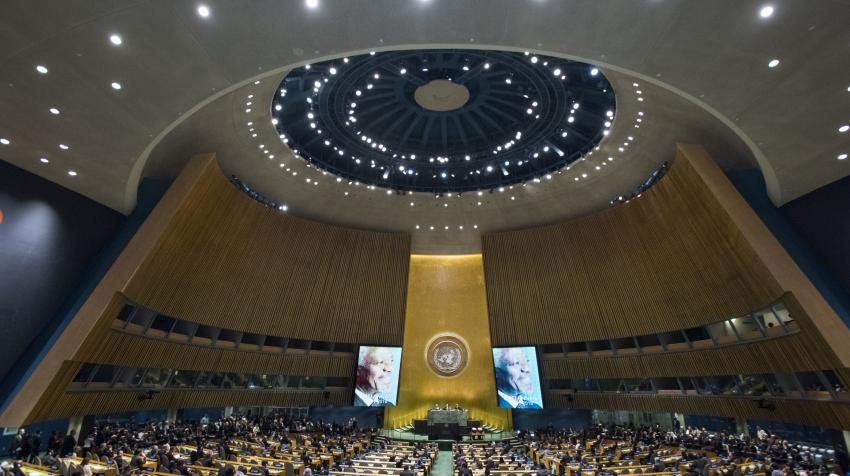
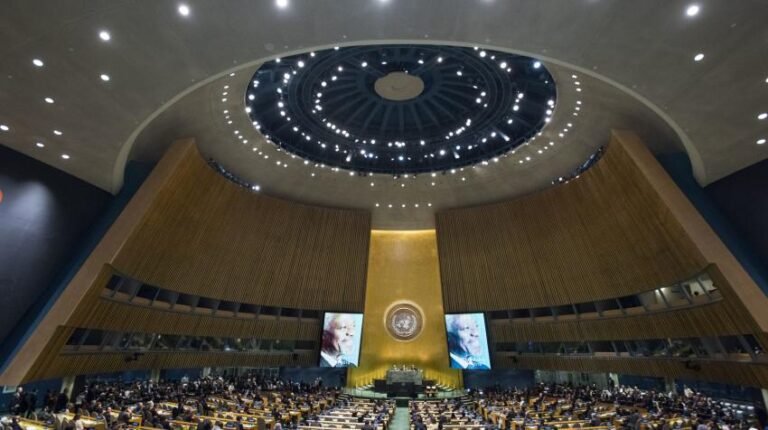
LAGOS, Nigeria – The next pandemic is inevitable, and countries must strengthen health systems before it arrives, World Health Organisation Director-General Dr Tedros Adhanom Ghebreyesus has warned at the United Nations General Assembly in New York.
Tedros issued the warning on Friday, September 25, at the second UN General Assembly High-Level Meeting on Pandemic Prevention, Preparedness and Response, where world leaders renewed commitments to strengthen global health security following the lessons of COVID-19. “The next pandemic is not a matter of if, but when,” Tedros said, recalling the devastating impact of COVID-19, which he said caused more than 20 million excess deaths and wiped more than $10 trillion from the global economy.
He said the pandemic exposed major weaknesses in global health security and demonstrated the consequences of treating preparedness as an emergency response rather than a permanent component of national health systems.
Tedros pointed to the ongoing Ebola outbreak in the Democratic Republic of Congo as a reminder that infectious disease outbreaks can begin anywhere and threaten neighbouring countries and the wider world.
He called for stronger national health capacities, resilient health systems, effective surveillance and early-warning systems, and equitable access to vaccines, diagnostics, medicines and other health technologies.
According to WHO, the UNGA meeting comes as countries seek to translate lessons from COVID-19 into sustained action, including stronger national capacities, sustainable financing, regional manufacturing and equitable access to medical countermeasures.
President of the 81st UN General Assembly, Dr Khalilur Rahman, also stressed the need for countries to embed pandemic preparedness in routine healthcare systems.
He said countries already possessed much of the scientific knowledge and tools required to detect outbreaks early, contain epidemics and protect populations. “The greatest tribute we can pay to the COVID-19 experience is to learn from it,” Rahman said.
The discussions also carried particular significance for Africa, where recurrent infectious disease outbreaks continue to expose gaps in surveillance, laboratory capacity, emergency response, health financing and access to essential medical products.
WHO said the high-level meeting was intended to reinforce international commitments to stronger surveillance, equitable access to vaccines and therapeutics, sustainable financing and investment in resilient health systems.
About the Author

 Mirian Gom