
 Oluwatobi Adu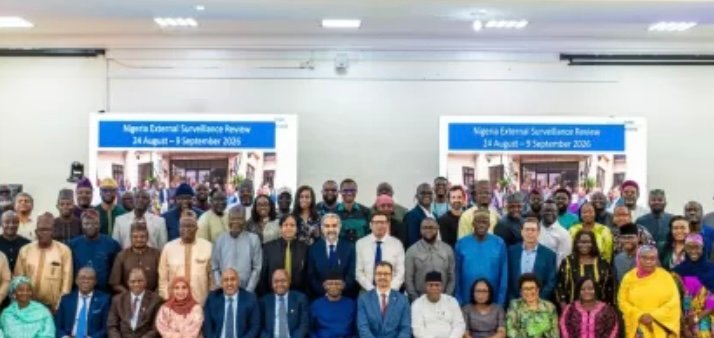
ABUJA, Nigeria – Nigeria has identified surveillance gaps that could delay the detection of polio and other vaccine-preventable diseases among children in underserved communities, despite strong performance across most of the country’s disease surveillance network.
In a publication made on the organisation’s website on Monday, the finding followed an independent review conducted from August 24 to September 9 across 13 high-priority states, 39 local government areas and 111 health facilities in Nigeria’s six geopolitical zones.
The review found that more than 95 per cent of the surveillance network performed strongly across the indicators assessed.
However, gaps were identified in secondary and tertiary health facilities and among mobile, migrant, nomadic and other underserved populations.
The assessment was led by the National Primary Health Care Development Agency (NPHCDA) and the National Polio Emergency Operations Centre, with support from the World Health Organisation (WHO) and partners under the Global Polio Eradication Initiative.
Review teams visited health facilities and communities and engaged health workers, government officials, traditional leaders, caregivers and community informants.
Analysis of reviewed acute flaccid paralysis (AFP) cases found that 45 per cent involved females and 55 per cent males. AFP can have several causes and does not necessarily mean a child has polio.
Nigeria was certified free of wild poliovirus in August 2020, but WHO said circulating variant poliovirus remains a public health threat, particularly in communities where children have missed vaccination.
WHO Representative in Nigeria, Dr Pavel Ursu, said the review would help authorities target resources at areas where surveillance remains weaker.
“Nigeria has made important progress in protecting children from polio, but maintaining those gains requires constant vigilance,” Ursu said.
He said the findings would help the government strengthen surveillance in underserved communities and detect health threats earlier.
Executive Director of the NPHCDA, Dr Muyi Aina, said authorities were developing corrective measures based on the findings.
Dr Babangida, the State Disease Surveillance and Notification Officer in Kano, stressed the importance of rapid community reporting.
“Many suspected cases are first reported by community members, traditional leaders or local volunteers. When information reaches us quickly, we can investigate sooner and make sure children receive the support they need,” he said.
About the Author




 Korede Abdullah