
 Mirian Gom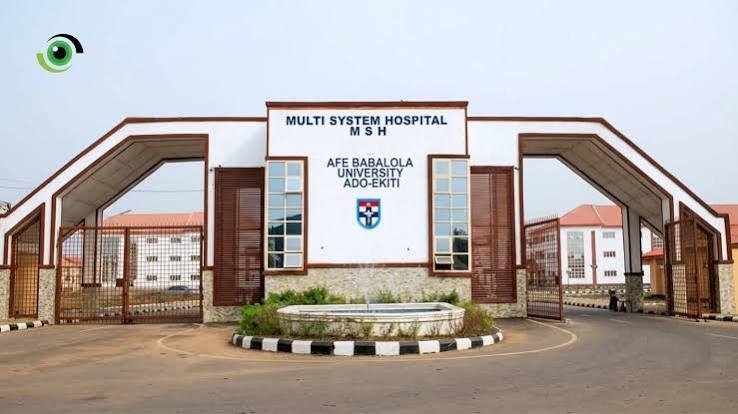
ADO-EKITI, Nigeria – African neuroscience experts are calling for increased investment in stroke and cerebrovascular research, stronger research infrastructure and greater use of Africa-specific data to improve prevention and treatment of brain disorders across the continent.
The call comes from the International Society for Neurochemistry-Afe Babalola University, Ado-Ekiti (ISN-ABUAD) Advanced School on Stroke Neurochemistry and Cerebrovascular Resilience, held at ABUAD.
The week-long programme, themed “Stroke, Neurochemistry and Cerebrovascular Resilience”, brings together postgraduate students, early-career researchers, academics, clinicians and international experts from across Africa and beyond.
Dr Edem Edem, director of the ISN-ABUAD Advanced School 2026 and chairman of its Local Organising Committee, outlines the recommendations in a communique issued on Monday at the end of the programme.
“The school recommended increased investment in neuroscience and cerebrovascular research across African institutions and greater development of multidisciplinary and multicentre research collaborations,” Edem says.
Participants also call for stronger laboratory and research infrastructure to support advanced investigations into neurochemistry and cerebrovascular diseases.
The experts stress the need to generate and use more African-specific data, arguing that research programmes must reflect the biological, environmental and healthcare realities of African populations.
The school further advocates clinically relevant research focused on stroke prevention, treatment, rehabilitation and long-term recovery.
It also calls for greater investment in research skills among African postgraduate students and early-career scientists.
“Training in laboratory techniques, scientific communication, data interpretation, grant writing, research design and proposal development should continue to be strengthened for African postgraduate students and early-career researchers. Collaboration is essential for sustainable scientific advancement,” Edem says.
Participants emphasise that stroke and cerebrovascular disorders require collaboration across multiple scientific disciplines, including neurochemistry, molecular biology, vascular biology, immunology, environmental science, pharmacology and clinical medicine.
“African neuroscience research requires stronger locally generated evidence,” the participants stress.
The recommendations also include expanding mentorship and capacity-building programmes, integrating basic, translational and clinical research, and creating more opportunities for African researchers to collaborate with international institutions.
The experts call for research into environmental, metabolic, inflammatory, infectious and lifestyle-related factors contributing to cerebrovascular disease.
They also emphasise the need to connect laboratory discoveries with clinical practice so that advances in neurochemistry can translate into better approaches to stroke prevention, treatment, rehabilitation and recovery.
The programme attracts participants from Southern, Eastern, Western and Central Africa, alongside faculty and resource persons from Nigeria, Brazil, Germany, South Africa, Canada and the United States.
Edem says the international participation provides opportunities for future research partnerships and knowledge exchange, while stressing that young scientists should receive stronger institutional support.
About the Author



 Korede Abdullah
 Oluwatobi Adu