Korede Abdullah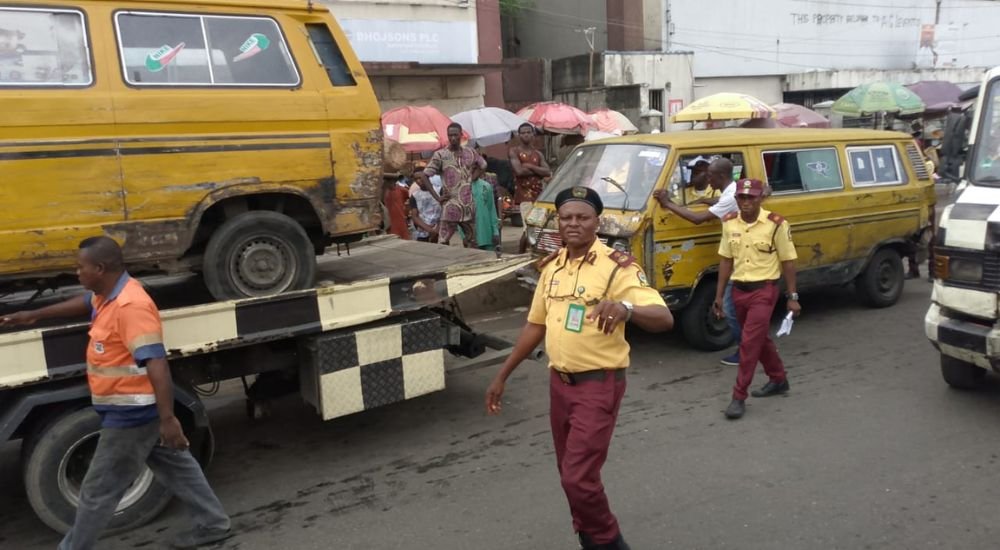
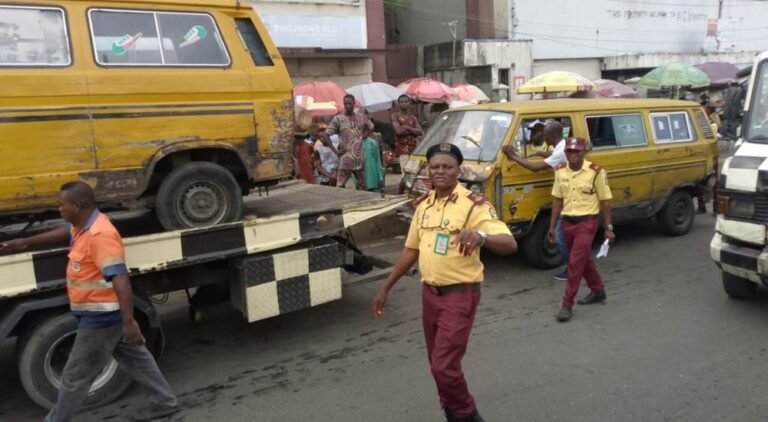
LAGOS, Nigeria – Traffic authorities in Lagos responded to 1,409 road crashes and rescued 670 victims in nine months, highlighting the scale of road safety emergencies confronting Nigeria’s commercial hub.
The Lagos State Traffic Management Authority (LASTMA) disclosed the figures on Sunday, saying its operatives had continued to respond to crash scenes, rescue victims, divert traffic and prevent secondary collisions across the state.
According to the agency, its interventions also help ease congestion, restore traffic flow and provide access for emergency responders attending to injured motorists and passengers.
LASTMA’s Director of Public Affairs and Enlightenment Department, Adebayo Taofiq, said the operations formed part of the agency’s efforts to reduce casualties and strengthen emergency response on Lagos roads.
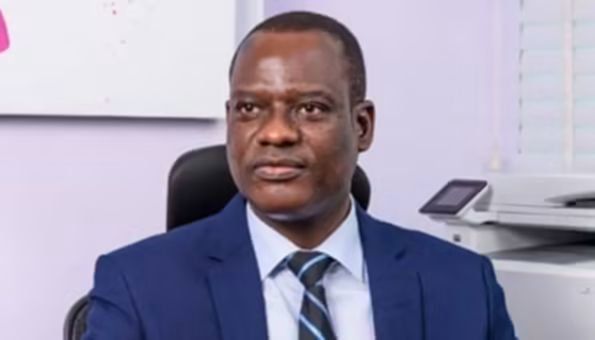
The authority’s General Manager, Olalekan Bakare-Oki, reaffirmed its commitment to improving incident response, intensifying public enlightenment and encouraging motorists to comply with traffic regulations. He stressed that prompt reporting and cooperation among emergency agencies were essential to reducing casualties. “Prompt reporting of road crashes and effective collaboration among emergency response agencies” were critical to improving road safety outcomes, he said.
The agency said its operatives work with the Lagos State Emergency Management Agency, Lagos State Ambulance Service, State Environmental Health Monitoring Unit, Lagos State Fire and Rescue Service and other first responders during rescue operations.
The collaboration is intended to ensure that crash victims receive assistance while traffic is managed and emergency personnel can reach affected locations. Road crashes can have consequences extending beyond immediate injuries and fatalities, including long-term disability, financial hardship and emotional distress for victims and their families.
Bakare-Oki urged private motorists, commercial transport operators and dispatch riders to observe speed limits, obey traffic signals, wear seat belts and ensure their vehicles are roadworthy.
About the Author

 Mirian Gom
 Oluwatobi Adu