 Otamere Gladness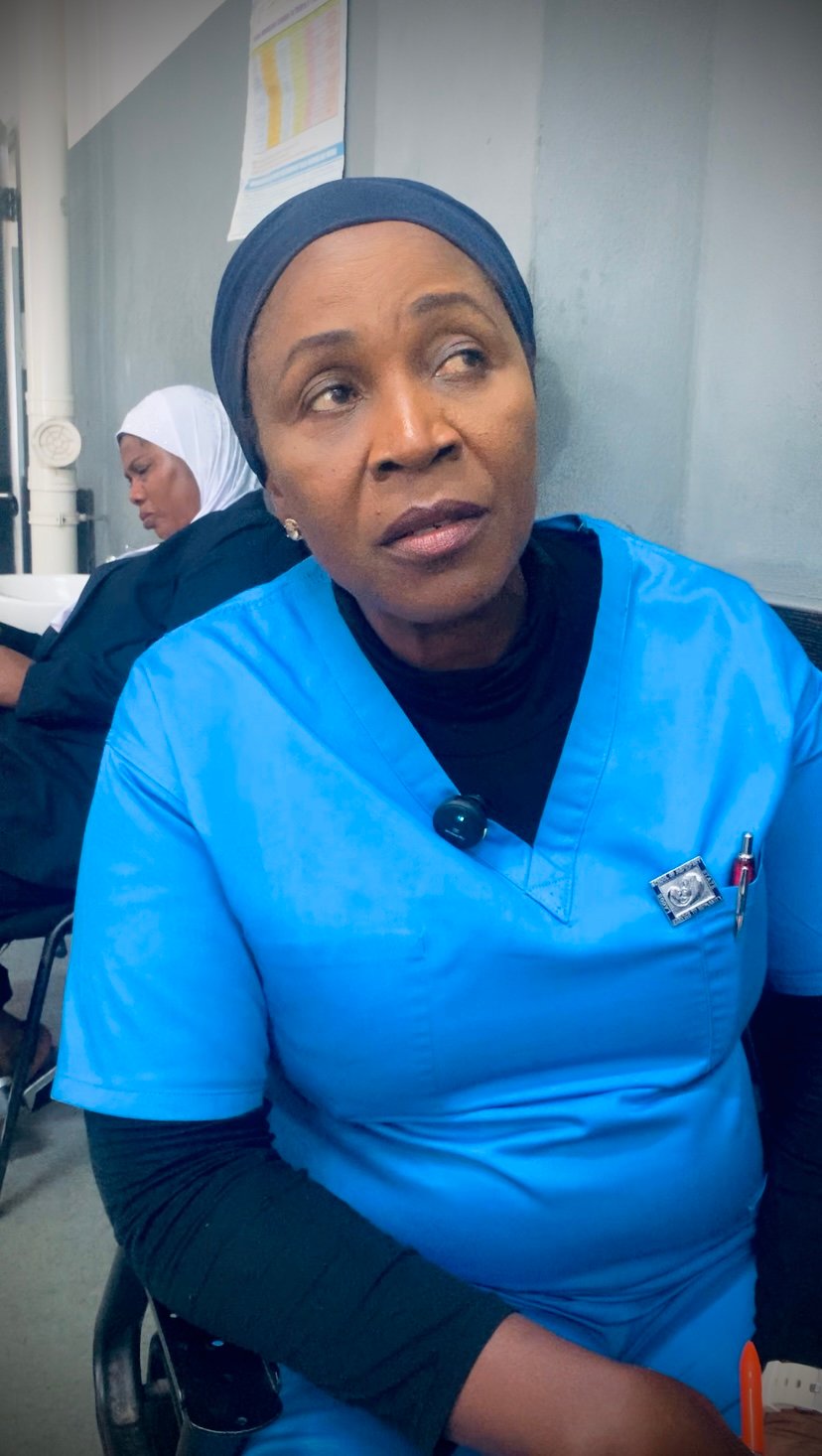
A public health expert, NR Hassan Asine
ABUJA, Nigeria – Nigerian health workers are offering food items, transport fares and even weekend vaccination services to persuade mothers to immunise their children, as the country struggles to reach an estimated 2.3 million zero-dose children, Nurse Hassan Asine, a registered midwife at the Federal Medical Centre (FMC), Jabi, Abuja, has revealed.
Asine, who is also a family planning provider and public health expert, said frontline health workers are increasingly relying on incentives to improve routine immunisation coverage, particularly in rural communities where poverty, poor access and low awareness continue to keep many children from receiving life-saving vaccines.
“Most times we have difficulty in getting women to access these vaccines,” Asine said in an exclusive interview with Africa Health Report. “We have to give them incentive, apart from giving them transport, just to ensure that their ward is vaccinated. Incentives can be in the form of transport fare or food items, just something to encourage them to come.”
Despite the challenges, Hassan said vaccination programmes have significantly reduced maternal and infant deaths and helped eliminate or drastically reduce diseases such as whooping cough. She added that health workers routinely extend vaccination services beyond official working hours, including Saturdays, to accommodate mothers who are unable to visit health facilities during the week. “We encourage them to follow us. We go extra lengths. Even come on Saturdays so they can be vaccinated,” she said.
Nigeria remains one of the countries with the highest number of zero-dose children globally, with an estimated 2.1 to 2.3 million children yet to receive a single routine vaccine. Public health experts say expanding community engagement, strengthening primary healthcare services and improving access to immunisation in underserved communities will be critical to closing the vaccination gap and protecting more children from preventable diseases.
About the Author


 Hope Ajayi

 Korede Abdullah