Edino Chubiyo Cornelius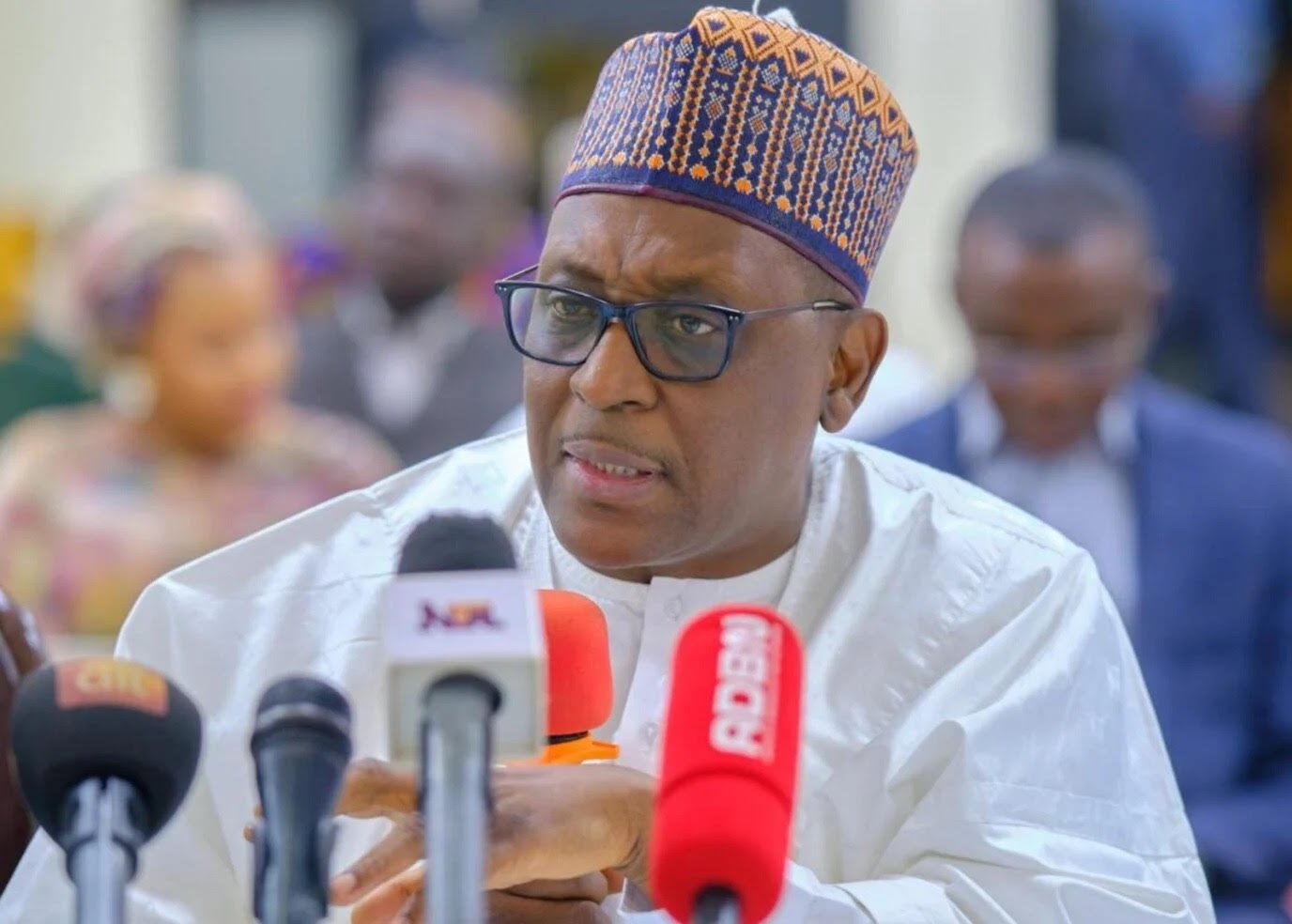
Coordinating Minister of Health and Social Welfare, Muhammad Ali Pate
BAUCHI, Nigeria – The Federal Government has launched a ₦10 billion maternal healthcare intervention in Bauchi State, distributing emergency obstetric equipment, ambulances, medicines and maternity kits aimed at reducing maternal and newborn deaths across the state.
The intervention, unveiled on Saturday by the Federal Ministry of Health and Social Welfare, forms part of the government’s broader efforts to strengthen maternal and child healthcare services under President Bola Ahmed Tinubu’s health sector reforms.
Speaking at the launch, Coordinating Minister of Health and Social Welfare, Muhammad Ali Pate, said the programme demonstrates the administration’s commitment to improving healthcare delivery and expanding access to quality medical services.
Pate disclosed that about ₦10 billion has been committed to the initiative in Bauchi State, where health facilities will receive essential medical equipment, ambulances, maternity kits and life-saving medicines free of charge.
According to him, 20 primary healthcare centres across 15 local government areas will receive labour and delivery equipment, including oxygen concentrators, suction machines, blood pressure monitors and specialised newborn care devices.
The intervention also includes 17,000 maternity kits for expectant mothers, essential medicines, 15 tricycle ambulances to improve healthcare access in rural communities and six fully equipped ambulances to strengthen emergency referrals.
Pate said the maternity kits are intended to reduce the financial burden of childbirth on pregnant women, stressing that beneficiaries should not be charged for any of the items supplied.
Pate also announced that the first batch of National Health Fellows from Bauchi has been absorbed into the Federal Civil Service, while another cohort has commenced training to strengthen Nigeria’s healthcare workforce.
Representing Governor Bala Mohammed, Deputy Governor Auwal Jatau described the intervention as a major boost to healthcare delivery, particularly in underserved communities.
About the Author


 Korede Abdullah
 Mirian Gom
 Hope Ajayi