
 Oluwatobi Adu
ABUJA, Nigeria – The World Health Organization (WHO) has approved the world’s first molecular diagnostic test for the Bundibugyo Ebola virus, a major breakthrough aimed at accelerating outbreak detection and strengthening global emergency response as the Democratic Republic of the Congo battles its largest recorded outbreak of the strain.
The WHO announced on Thursday that it had granted the diagnostic tool an Emergency Use Listing (EUL), allowing countries affected by the Bundibugyo virus to gain faster access to quality-assured testing capable of rapidly confirming infections and improving disease surveillance.
The approval comes as health authorities race to contain the escalating outbreak in the Democratic Republic of the Congo (DRC), where more than 1,400 laboratory-confirmed cases and 438 deaths have been recorded since the WHO declared a public health emergency on 17 May. Uganda has also reported cross-border cases, raising concerns over regional transmission.
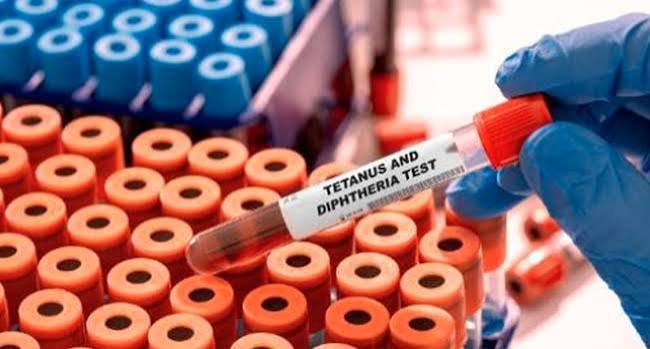
The newly approved molecular test detects the virus by identifying its genetic material in blood samples, enabling health workers to diagnose Ebola infections more quickly and accurately, improve patient management and limit further spread.
According to the WHO, the Emergency Use Listing mechanism evaluates the quality, safety and performance of critical medical products during health emergencies, particularly in low- and middle-income countries where access to diagnostics is often limited.
WHO Assistant Director-General for Health Systems, Access and Data, Dr Yukiko Nakatani, says rapid access to trusted diagnostic tools is essential during fast-moving outbreaks.
“Public health emergencies require not only speed, but also confidence that the health products being used meet standards for quality, safety and performance.
“During a fast-moving outbreak, timely access to quality-assured diagnostic tests can make a critical difference in containing transmission. Through this Emergency Use Listing, WHO is helping countries access trusted diagnostic tools more rapidly so that they can respond more effectively.”
About the Author


 Mirian Gom

 Hope Ajayi