
The Detox Myth: How Fruit Juices, Cleanses May Be Harming Your Health
 Otamere Gladness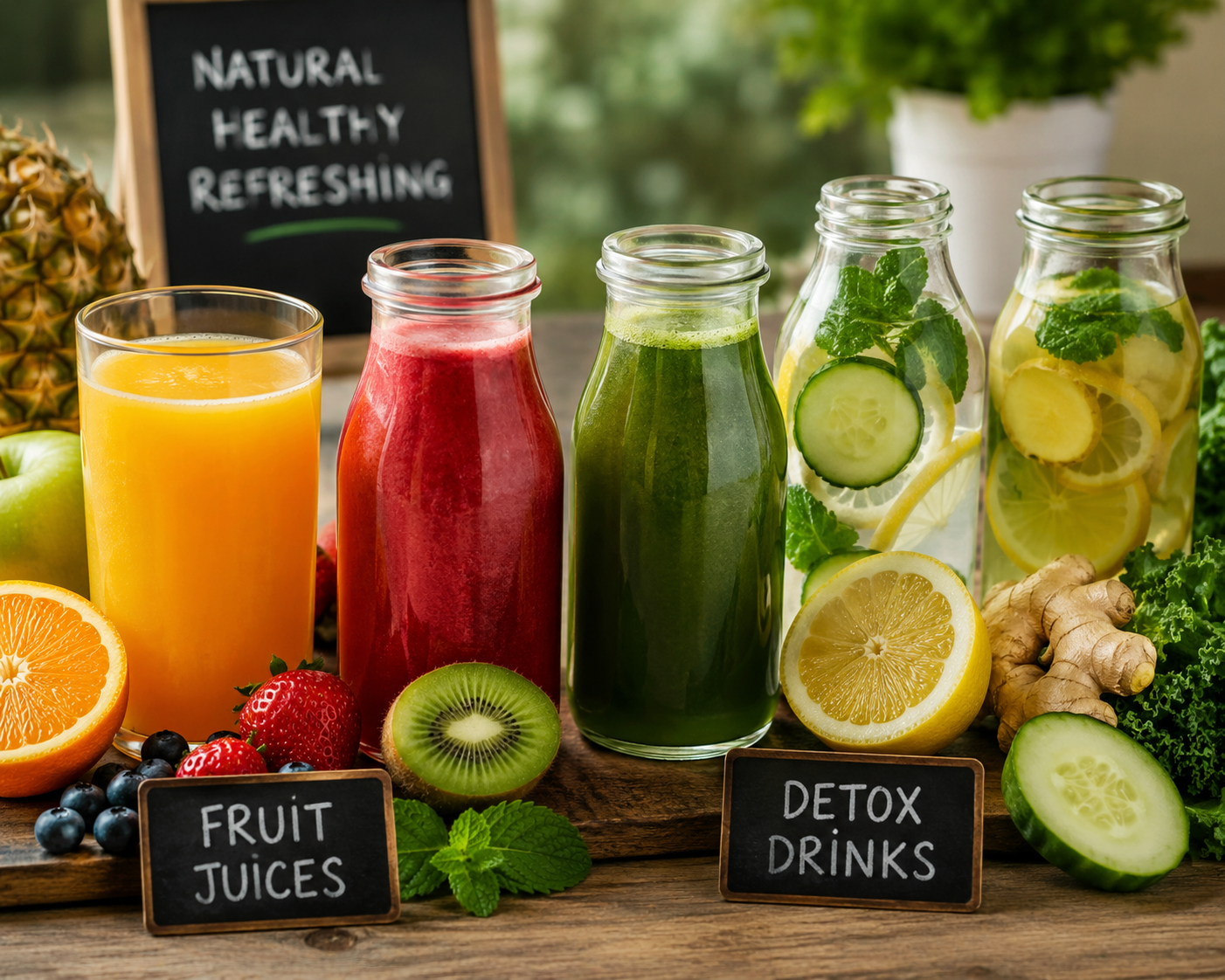
Freshly squeezed fruit juices displayed at a roadside wellness stand.
ABUJA, Nigeria — Across Africa’s growing wellness culture, fruit juices and detox drinks have become symbols of beauty, discipline and healthy living. From social media influencers promoting glowing skin to vendors selling miracle cleanses, millions are embracing liquid wellness in pursuit of weight loss, energy and longevity. Yet health experts warn that behind the promises of “natural healing” and “body cleansing” lie potential risks, including blood sugar spikes, nutrient deficiencies, digestive issues and long-term metabolic problems. While fruits remain nutritional powerhouses rich in vitamins, minerals and antioxidants, experts say the real concern is not the fruit itself but how modern consumption habits have transformed it into commercialised juice and detox trends. In this report, Otamere Gladness examines the science behind the wellness craze and why some healthy habits may be doing more harm than good.
The Fibre Factor: What Happens When Fruits Become Liquids?
At the heart of the debate lies one critical nutritional element often lost during juicing: fibre.
Whole fruits naturally contain dietary fibre that slows digestion, regulates sugar absorption and promotes fullness. But once fruits are squeezed into juice, much of that fibre disappears, leaving behind concentrated sugar in liquid form.
Nutritionist Obamwonyi Paul Aisosa explains why this distinction matters.
“The biggest nutritional difference is FIBER. Whole fruits contain natural fiber, which slows digestion and sugar absorption. When fruits are processed into juice, most of that fiber is removed.”
According to him, the absence of fibre significantly alters how the body responds to fruit consumption.
“Fiber contributes to better blood sugar control, improved digestion, greater fullness, and reduced risks of heart disease, obesity, and type 2 diabetes.”
Nutrition experts say this explains why drinking several glasses of fruit juice can affect the body differently from eating whole fruits, even when both come from the same product.
Sweet but Risky: The Hidden Dangers in Excessive Juice Consumption
The phrase “100 percent natural” has become a powerful marketing tool in the health industry. Yet experts insist that “natural” does not necessarily mean harmless.
Even freshly squeezed fruit juice can contain extremely high sugar levels when consumed excessively.
Aisosa warns that regular overconsumption may trigger several health complications, especially among people with underlying medical conditions.
“Blood sugar spikes are risky for people with diabetes or insulin resistance. Excess juice intake can also contribute to weight gain because liquids do not create the same fullness as whole foods.”
He also highlights less discussed consequences such as tooth decay and metabolic complications.
“Acids and sugars in fruit juices can erode dental enamel. Long-term excessive intake may increase the risk of fatty liver disease and type 2 diabetes.”
Another overlooked danger, he says, is nutritional imbalance.
“People who rely heavily on juices may unintentionally displace proteins, healthy fats and other important nutrients from their diet.”
The concern is shared within the beverage industry itself.
Agwu Ngozi Nnamdi, Chief Executive Officer of Juice Hive and producer of natural fruit drinks and detox beverages, acknowledges that consumer misinformation remains widespread.
“Many fruit juices contain high natural sugar, and too much intake may contribute to weight gain, blood sugar spikes, or increase the risk of diabetes, especially when fiber is removed during juicing.”
He adds pointedly: “‘Natural’ does not automatically mean risk-free.”
Detox Culture and the Billion-Dollar Wellness Illusion
Perhaps no health trend has spread faster in recent years than detox culture.
From lemon-and-ginger cleanses to charcoal drinks and multi-day juice fasts, detox products are now aggressively marketed as shortcuts to weight loss, glowing skin and internal cleansing.
But many health experts argue that these claims are scientifically exaggerated.
Medical science already recognises the liver, kidneys, lungs and digestive system as the body’s built-in detoxification machinery. In healthy individuals, these organs naturally remove waste and toxins without the need for expensive cleansing products.
Still, detox drinks continue to thrive in a wellness economy driven by aesthetics and social media pressure.
Aisosa says many commercial detox programmes are nutritionally incomplete and potentially dangerous when abused.
“Many detox programmes are low in protein, healthy fats, iron and vitamin B12. Extended use may lead to fatigue, muscle loss, poor blood sugar control and nutrient deficiencies.”
He warns that unsupervised detox regimens can be especially risky for children, pregnant women, teenagers and people with chronic illnesses.
Nnamdi, despite operating within the detox beverage market, also distances himself from misleading marketing narratives.
“Some detox drinks are wrongly promoted as ‘miracle cleansers,’ whereas the body already has natural detox organs.”
He cautions that excessive consumption of acidic ingredients can trigger further complications.
“Overconsumption of certain ingredients such as ginger, lemon, apple cider vinegar, or herbal mixtures may cause stomach irritation, ulcers, acid reflux, or interact with medications.”
Social Media, Body Image and the Pressure to ‘Eat Clean’
Behind the surge in detox culture lies a deeper societal shift.
Health and wellness have increasingly become performative. Across TikTok, Instagram and YouTube, influencers frequently showcase “clean eating routines”, detox challenges and liquid-only diets as symbols of discipline and beauty.
Nutrition experts fear this culture may be encouraging unhealthy extremes, particularly among young people desperate for rapid body transformation.
Fitness and Wellness Coach Drew say many consumers approach juices and detox drinks without understanding their specific dietary goals.
“The consumption depends on what you want. For people gymming, if it’s a calorie surplus, it’s okay to take the juice and drinks; if it’s a calorie deficit, just eat the whole fruit.”
He explains that whole fruits generally provide better satiety for individuals trying to lose weight.
“Taking it in moderation is also key, because too much of everything is bad.”
The fitness coach says he personally prioritises whole fruits while using juices only occasionally.
Separating Wellness Facts from Marketing Fiction
Experts say the wellness industry often thrives on half-truths.
One of the biggest misconceptions is the belief that “natural sugar” can be consumed without limits simply because it comes from fruits.
Another widespread myth is that detox drinks “flush out toxins” or melt body fat rapidly.
Health professionals insist that many apparent detox weight-loss results are temporary and often linked to water loss or muscle depletion rather than actual fat reduction.
Similarly, expensive wellness drinks packaged as luxury health solutions may not always offer nutritional advantages over ordinary fruits.
Consumers are therefore being urged to become more critical and informed.
Experts recommend checking ingredient labels carefully, paying attention to sugar levels, calorie content and serving sizes rather than relying solely on branding buzzwords such as “organic”, “natural”, or “clean”.
The Safer Path: Balance Over Extremes
Despite the concerns surrounding juices and detox culture, experts maintain that fruits themselves remain essential components of a healthy diet.
What matters most, they say, is moderation and balance.
Nutrition professionals recommend prioritising whole fruits over processed juices, combining fruits with proteins and healthy fats, staying hydrated primarily with water and avoiding extreme cleansing regimens unless medically supervised.
Aisosa believes sustainable health habits matter more than quick-fix solutions.
“Healthy nutrition is usually about consistency and balance, not extreme diets or quick fixes.”
Nnamdi also advocates responsible production and realistic expectations within the beverage industry.
“Fruit drinks should complement balanced meals, exercise, proper sleep and hydration — not replace them.”
He further advises individuals with existing health conditions or those taking medications to seek professional medical guidance before embarking on aggressive detox routines.
Beyond the Hype
In a world increasingly obsessed with instant wellness solutions, the humble fruit has become both a nutritional hero and a commercialised product vulnerable to distortion.
Experts insist there is nothing inherently dangerous about juices or detox drinks when consumed responsibly. The danger begins when marketing hype replaces science, moderation disappears, and consumers mistake trendy beverages for miracle cures.
For millions chasing healthier lifestyles, the lesson may be surprisingly simple: sometimes the healthiest choice is not the expensive detox bottle — but the whole fruit sitting quietly beside it.
About the Author


 Korede Abdullah
 Hope Ajayi
 Oluwatobi Adu