
 Oluwatobi Adu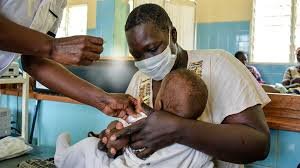
ABUJA, Nigeria – A new evaluation published in World Health Organization findings says the RTS, S malaria vaccine is significantly reducing child deaths across Africa, strengthening calls for wider vaccine rollout in high-burden countries.
The findings, published in The Lancet on Friday, show that nearly one in eight child deaths were prevented among vaccinated children in Ghana, Kenya and Malawi over a four-year period.
The study analysed data collected between 2019 and 2023 through the Malaria Vaccine Implementation Programme.
WHO says the vaccine has demonstrated strong public health impact in areas with moderate to high malaria transmission.
“This is very solid evidence of the potential for malaria vaccines to change the trajectory of child mortality in Africa,” says Kate O’Brien.
She warns that funding shortages could slow vaccine rollout despite rising demand and sufficient supply.
At least 25 malaria-endemic African countries are currently offering malaria vaccines through childhood immunisation programmes targeting more than 10 million children annually.
WHO estimates that about 438,000 African children died from malaria in 2024 alone.
Director of WHO’s Department of Malaria and Neglected Tropical Diseases, Daniel Ngamije Madandi, says combining vaccines with insecticide-treated nets, testing and treatment could save tens of thousands of lives every year.
“Malaria vaccination strengthens the response and increases access to malaria prevention,” he says.
Health experts say wider deployment of RTS, S and R21 vaccines could significantly reduce child mortality rates across Africa’s hardest-hit regions.
About the Author



 Hope Ajayi