 Oluwatobi Adu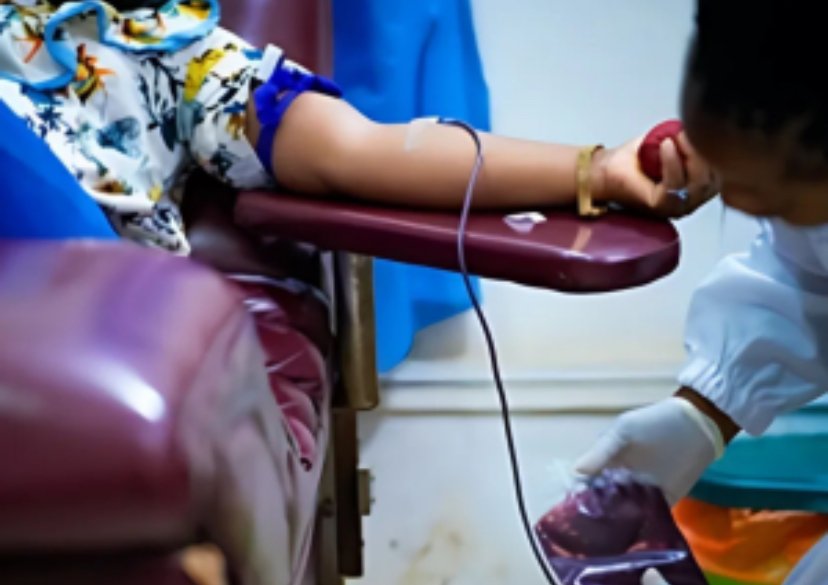
ABUJA, Nigeria – Nigeria is witnessing a significant increase in voluntary blood donations as health authorities intensify efforts to strengthen the national blood supply system and improve access to safe blood for emergency care, childbirth complications, surgeries and other lifesaving medical interventions.
Speaking at the 2026 World Blood Donor Day press briefing in Abuja, Director-General of the National Blood Service Agency, Professor Saleh Yuguda, said the Federal Government is investing in infrastructure, technology, workforce development and donor mobilisation programmes to ensure that every Nigerian has timely access to safe blood when needed.
According to Yuguda, safe blood should be regarded as a national resource and a shared responsibility, stressing that strengthening the country’s blood system remains a critical public health priority.
Despite recent progress, Nigeria continues to face a substantial blood supply deficit. The World Health Organization estimates that the country requires between 1.8 million and 2 million units of blood annually. However, data from the National Blood Service Commission indicate that only 371,827 units were collected in 2024.
Health experts warn that the shortage contributes to preventable deaths, particularly among women experiencing postpartum haemorrhage, which accounts for between 23 and 30 per cent of maternal mortality cases nationwide.
Nigeria currently operates 17 coordinated blood service networks across its six geopolitical zones, while investments are supporting digital tracking systems, workforce training and upgraded storage facilities.
WHO Representative in Nigeria, Pavel Ursu, said, “Nigeria has made important progress in strengthening its blood system, expanding facility connectivity and improving blood donation reporting to the National Blood Service Agency by states and the private sector. Sustaining this progress will require continued government leadership and regular blood donation by healthy members of the public.”
About the Author


 Korede Abdullah
 Mirian Gom