
 Edino Chubiyo Cornelius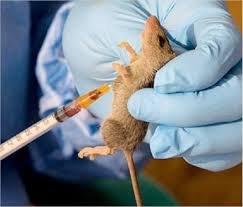
ABUJA, Nigeria – The global push to curb Lassa fever reaches a decisive turning point as scientists at the Oxford Vaccine Group administer the first dose of a new Lassa fever vaccine to a UK volunteer.
The milestone, announced on Thursday, marks the formal start of the first-in-human clinical trial of the ChAdOx1 Lassa vaccine.
The trial, funded by the Coalition for Epidemic Preparedness Innovations (CEPI), will involve 31 healthy adults aged 18 to 55 in Oxford, with a second Phase 1 trial set to begin in Ghana in early 2026.
Professor Ramasamy Maheshi, chief investigator of the study, calls the development a “crucial step toward protecting vulnerable communities”. She notes that the vaccine, if successful, could transform global responses to recurring outbreaks that continue to affect West African nations.
Katrin Ramsauer, CEPI’s Lassa programme lead, describes the launch as a “transformative milestone”, emphasising that it reflects years of scientific innovation and international collaboration. She adds: “Regional efforts are currently under way to accelerate vaccine licensure and ensure equitable access.”
The West African Health Organisation (WAHO) says the region is now taking bold action after decades of outbreaks. “Lassa fever has affected lives, families and economies for more than half a century. Our region is now taking bold steps to change that story,” says Virgil Lokossou, WAHO director of Healthcare Services.
Nigeria continues to record seasonal outbreaks, often affecting healthcare workers, according to public health officials. Experts say the Oxford vaccine could become one of the first licensed preventive vaccines against the deadly virus, dramatically reducing mortality and socioeconomic disruption.
Lassa fever, first detected in Nigeria in the late 1960s, remains endemic across West Africa. Spread mainly by rodents, the virus causes severe complications including deafness, bleeding and death.
About the Author


 Chukwu Obinna
 Mirian Gom
 Korede Abdullah