
One Country, Many Clinics: How Nigeria’s Primary Healthcare System Leaves the Poor Behind
 Korede Abdullah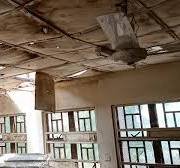
The dilapidated condition of Burji Primary Healthcare Center in Madobi LGA, Kano State. Credit: Aliyu/HumAngle
LAGOS, Nigeria – At dawn in a rural Nigerian community, a pregnant woman begins a long walk to the nearest health centre—only to arrive and find no nurse on duty, no drugs on the shelves and no power in the building. Her story is neither rare nor exceptional. It is emblematic of a country where access to healthcare is shaped less by policy promises and more by postcode, income and chance.
Nigeria’s primary healthcare system, designed to be the foundation of universal health coverage, is increasingly failing those who depend on it most. Across rural villages and urban slums, Primary Health Care (PHC) centres—the frontline for the poor—are buckling under neglect, chronic underfunding and weak governance. The consequences are profound: preventable illnesses turn fatal, disease outbreaks spread unchecked, and millions of Nigerians remain excluded from basic care. In this report, Korede Abdullah examines why Nigeria’s PHC system is faltering, and what its failure means for equity, public health and the country’s development ambitions.
A stark divide in access and outcomes
Nigeria presents a deeply unequal health landscape. In major cities, private hospitals boast modern diagnostic equipment and specialist care. Yet only a few kilometres away, communities rely on poorly staffed clinics with crumbling infrastructure and inconsistent services.
Patients routinely queue for hours at PHCs, only to be turned away because essential medicines are unavailable or equipment is non-functional. For many, the choice is stark: pay out-of-pocket at private facilities or forgo care altogether.
Despite being Africa’s most populous country, Nigeria continues to record some of the continent’s worst health indicators. According to UNICEF, the maternal mortality rate stands at about 1,047 deaths per 100,000 live births, reflecting systemic weaknesses at the primary care level, where most maternal and child health services should be delivered.
When standards exist only on paper
Findings from Africa Health Report reveal that many PHCs across Nigeria fall well below the standards set by the National Primary Health Care Development Agency (NPHCDA). These gaps raise serious concerns about Nigeria’s ability to achieve Sustainable Development Goal 3, which aims to ensure healthy lives and universal health coverage by 2030.
Under NPHCDA guidelines, a functional PHC should be accessible by road, secure, staffed by resident health workers, equipped with reliable electricity and clean water, stocked with essential medicines and diagnostic tools, and capable of operating 24 hours a day. It should provide a minimum package of services, including maternal and newborn care, treatment of common illnesses, immunisation, nutrition support, health promotion and basic laboratory services.
In reality, many facilities lack several—or all—of these basics. The result is a widening gap between national policy and the lived experience of communities that rely on PHCs as their first and often only point of care.
“One nation, multiple health systems”
Public health experts warn that Nigeria is effectively running parallel and unequal health systems. Those with resources navigate private care, while the poor face structural barriers that compound ill health and poverty.
Speaking exclusively with Africa Health Report, Dr. Akin Iyanda, a Nigerian medical doctor based in South Africa, attributed the crisis largely to governance failures.
“The major issue is weak implementation,” he said. “Policies exist at the federal level, but states and LGAs lack political will, funding discipline and accountability to make primary healthcare work.”
The outcome, he noted, is predictable: communities with the highest disease burden have the least access to care.
Disease outbreaks and a broken first line of defence
Nigeria’s recurrent outbreaks of cholera, Lassa fever and other preventable diseases expose the fragility of its primary healthcare system. PHCs are meant to serve as the first line of defence through surveillance, early detection and community education. Instead, gaps at this level allow outbreaks to spread before authorities intervene.
“Many PHC centres lack trained personnel and reporting tools. That is why diseases often escalate into national emergencies,” Dr. Iyanda explained.
Public health data consistently show that cholera outbreaks persist in areas with poor water, sanitation and hygiene—precisely where PHCs should play a central preventive role.
The impact of health worker migration
The migration of Nigerian health professionals—popularly described as the Japa syndrome—has further hollowed out primary care. Poor remuneration, burnout and weak welfare packages continue to push doctors and nurses abroad.
According to the Nigerian Medical Association (NMA), the effects are most severe in rural areas. In Osun State, data from CheckMyPHC.org indicate that 73 per cent of PHCs operate with zero to one health worker, while 44 per cent have no health worker at all.
“Migration drains the system of skilled personnel, especially in rural areas,” Dr. Iyanda said.
For millions, this means a health facility exists in name only.
Chronic underfunding and missed priorities
Nigeria’s health sector remains persistently underfunded. In the 2025 national budget, health received just 5.18 per cent of total expenditure—far below the 15 per cent target set by the Abuja Declaration—creating an estimated shortfall of ₦4.7 trillion.
Although ₦282.65 billion was allocated to the Basic Health Care Provision Fund (BHCPF), many PHCs continue to operate without essential drugs, equipment or basic infrastructure.
Dr. Saheed Babajide, Chairman of the NMA in Lagos State, described the situation bluntly:
“What we witnessed was a system struggling without clear direction. That is unacceptable and disappointing.”
Out-of-pocket care and exclusion
For most Nigerians, healthcare is still financed directly from personal income. The World Bank estimates that more than 70 per cent of healthcare spending in Nigeria is out-of-pocket—one of the highest rates globally.
“Primary healthcare is supposed to provide affordable or free essential services, but underfunding and weak insurance coverage have shifted the burden to individuals,” Dr. Iyanda said.
The result is delayed care, preventable complications and deepening poverty among already vulnerable households.
Buildings without basics
Government officials often highlight new hospital buildings as evidence of progress. Health experts argue that infrastructure without staffing, water, electricity and medicines saves few lives.
Many PHCs lack clean water for deliveries, cold-chain equipment for vaccines, diagnostic tools or even basic drugs such as paracetamol.
“No PHC should operate without essential drugs, diagnostic tools and clean water,” Dr. Iyanda stressed. “Without these basics, quality care is impossible.”
Strikes and eroding trust
Frequent industrial actions in the health sector have further weakened public confidence. At the primary level, where alternatives are scarce, strikes can be devastating.
“When health workers go on strike, citizens are the ultimate victims,” Dr. Babajide said, criticising the government’s handling of disputes as lacking empathy and long-term strategy.
Health experts warn that prolonged shutdowns in 2026 could have catastrophic consequences for poor communities unless welfare issues are urgently addressed.
Prevention lost, goals at risk
Primary healthcare should be the engine of prevention—driving immunisation, sanitation monitoring, health education and early case detection. Weak staffing and logistics have undermined these roles.
“Through immunisation and prevention, many outbreaks can be avoided,” Dr. Iyanda said. “When PHC fails, diseases escalate.”
Without a strong PHC system, Nigeria’s ambition of achieving Universal Health Coverage and meeting the SDGs by 2030 remains uncertain.
The road ahead
Health experts argue that failure to prioritise primary healthcare reflects broader leadership and governance challenges.
“If the mandate is not met, then it is a failure of leadership and governance,” Dr. Iyanda said.
Proposed solutions include increasing health funding to 15 per cent of the national budget, making health insurance mandatory with subsidies for the poor, fully equipping PHCs, strengthening accountability at state and local levels, and placing primary healthcare at the centre of national health planning.
Without urgent reforms, Nigeria’s health inequalities are likely to deepen—leaving the promise of health for all firmly out of reach.
About the Author

 Otamere Gladness
 Koko Maxwella
 Edino Chubiyo Cornelius