 Oluwafunbi Bello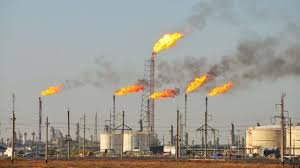
ABUJA, Nigeria – Nigeria’s oil and gas industry ranks among the largest sources of methane emissions in sub-Saharan Africa, raising concerns over public health, environmental sustainability and climate accountability.
The disclosure emerged at a stakeholder dialogue in Abuja organised by the Natural Resource Governance Institute (NRGI) and the Centre for Journalism Innovation and Development (CJID).
Data presented show Nigeria contributes 16 per cent of the region’s methane emissions between 2010 and 2020 and flares over five billion cubic feet of gas in 2023 alone.
Methane is more than 80 times more potent than carbon dioxide over a 20-year period.
In Niger Delta communities, residents report worsening respiratory illnesses, degraded farmlands and declining fish stocks linked to gas flaring.
NRGI Nigeria Country Manager, Ms Tengi George-Ikoli, says policy reforms under the Petroleum Industry Act (PIA) have yet to translate into meaningful relief.
“What communities experience reflects a gap between policy ambition and real outcomes,” she says.
Policy Alert Executive Director, Mr Tijah Bolton, warns that poor enforcement could hurt Nigeria’s economic prospects as global methane standards tighten.
“Without transparency and accountability, Nigeria risks losing market access,” he says.
Stakeholders agree methane reduction is achievable and cost-effective but insist enforcement and community engagement are critical.
About the Author

 Edino Chubiyo Cornelius
 Koko Maxwella
 Otamere Gladness