
Campaigners Push Methane Cuts, Plastic Controls for Zero-Waste Nigeria
 Oluwafunbi Bello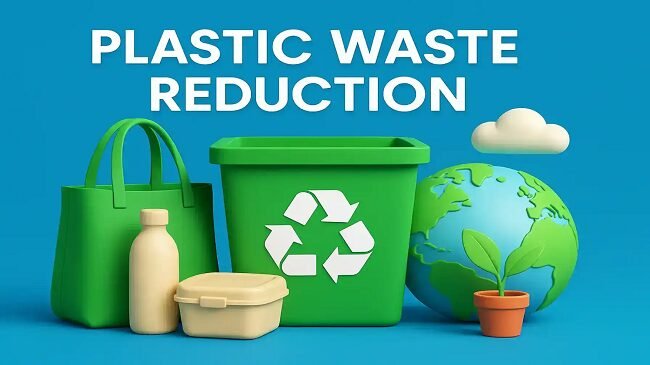
ABUJA, Nigeria – Environmental advocates warn Nigeria faces a worsening climate and public health emergency unless authorities urgently reform how waste is managed across the country.
The warning emerges Thursday from the Expanded Zero Waste Parliament 2026, a multi-stakeholder forum held in Lagos, where campaigners call for aggressive methane reduction and stronger plastic regulations as pathways to a zero-waste future.
The forum, convened by the Community Development Advocacy Foundation in partnership with the Global Alliance for Incinerator Alternatives Africa, draws more than 80 participants spanning government agencies, waste pickers, academics, farmers, civil society groups and youth leaders.
A communiqué issued after the meeting identifies uncontrolled dumpsites and landfills as major contributors to methane emissions, driven largely by decomposing organic waste. Methane, participants note, is far more potent than carbon dioxide in accelerating short-term climate warming.
“This is both a climate and health emergency,” says Philip Jakpor, a civil society representative and member of the Waste Parliament. “Nigeria cannot afford business as usual.”
Delegates firmly reject waste-to-energy incineration, describing it as a false solution that undermines zero-waste principles and risks locking Nigeria into polluting infrastructure.
The forum also criticises weak enforcement of plastic regulations and slow implementation of Extended Producer Responsibility policies that shift waste management costs to manufacturers.
Among its recommendations are mandatory waste segregation at source, decentralised composting systems, formal methane reduction targets within national climate plans and legal recognition of informal waste pickers as essential service providers.
Participants urge both federal and Lagos State authorities to adopt waste policies rooted in climate science and social justice, warning that incremental reforms will not solve a system they say is structurally broken.
About the Author

 Oluwatobi Adu

 Korede Abdullah
 Koko Maxwella