
Nigerian Senate Reverses Electronic Results Ban After Nationwide Protests
 Chukwu Obinna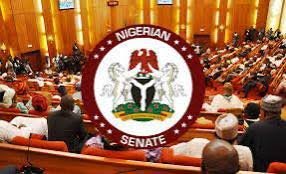
ABUJA, Nigeria – Nigeria’s Senate reverses its controversial decision to block electronic transmission of election results after days of mass protests, intense public pressure and mounting political backlash, reopening debate over transparency ahead of future polls.
During an emergency plenary on Tuesday, lawmakers voted to rescind a clause that would have barred the Independent National Electoral Commission (INEC) from uploading polling-unit results to its Result Viewing Portal, IREV. The reversal follows demonstrations at the National Assembly and sharp criticism from civil society groups and opposition leaders.
However, the amended Electoral Act stops short of making electronic transmission compulsory. It introduces a caveat allowing manual Form EC8A results to override digital uploads where internet connectivity fails — a provision critics warn could weaken safeguards against manipulation, particularly in rural areas.
Senate Chief Whip Tahir Monguno, who initiates the reversal, tells colleagues the chamber must align electoral laws with public expectations.
“This amendment reflects the wishes and aspirations of Nigerians for credible elections,” Mr Monguno says, admitting his earlier position generated widespread controversy.
Minority Leader Abba Moro seconds the motion, which passes on a voice vote presided over by Senate President Godswill Akpabio.
Mr Akpabio previously defended the initial restriction, citing fears that network disruptions could trigger post-election litigation. On Tuesday, he announced a reconstituted harmonisation committee to reconcile differences with the House of Representatives’ version of the bill.
Political analysts say the Senate’s retreat underscores the growing influence of civic action in Nigeria’s democratic process but warn that ambiguity around connectivity exemptions may still undermine public trust.
About the Author


 Oluwatobi Adu
 Edino Chubiyo Cornelius
 Otamere Gladness
 Hussaini Ibrahim