
Nigeria, Qatar Form Strategic Alliance to Expand Alternative Education
 Otamere Gladness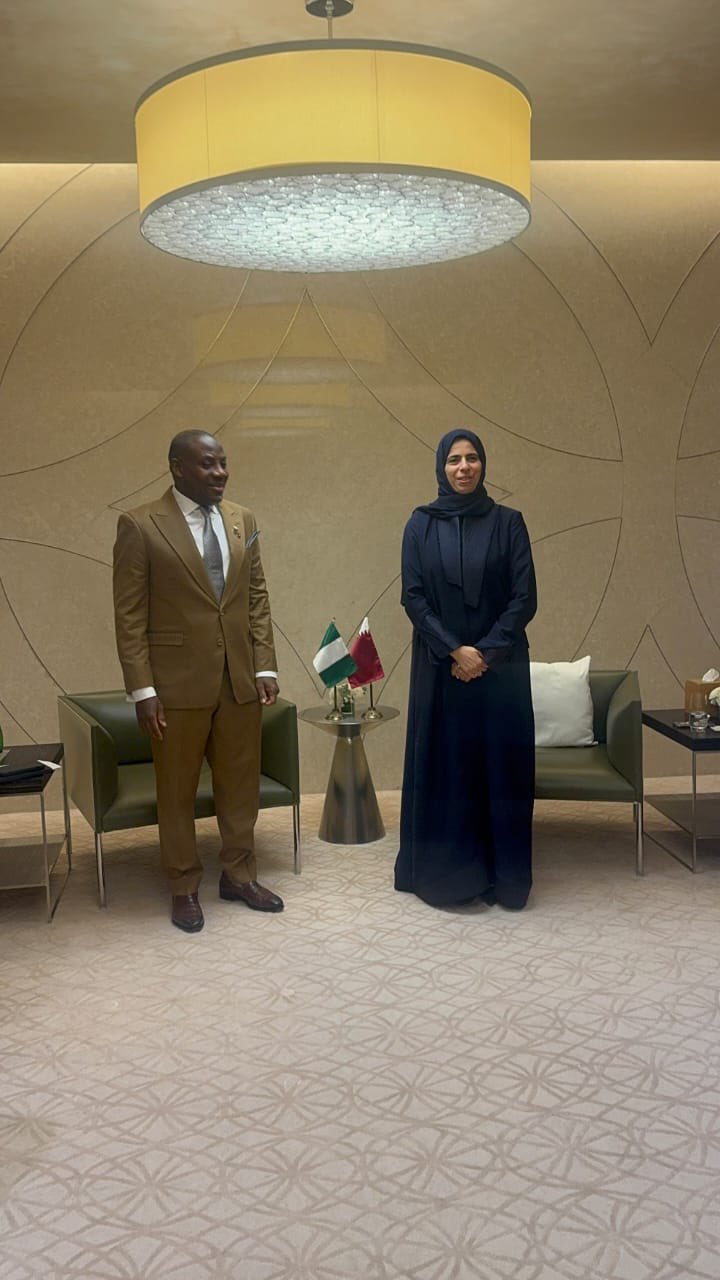
ABUJA, Nigeria – Nigeria and Qatar are advancing a new strategic partnership aimed at widening access to education for millions of marginalised and out-of-school children, following high-level talks in Doha between both countries’ education authorities.
A statement issued on Wednesday by Nigeria’s Minister of State for Education, Dr Maruf Tunji Alausa, confirms that discussions with Qatar’s Minister of Education focused on strengthening institutional frameworks for Almajiri education, modernising Tsangaya schools and expanding bilingual programmes across 11 states.
Alausa says Nigeria’s plan prioritises Mallam teacher training, improved safety structures and reintegration pathways for children excluded from formal schooling. “Addressing out-of-school challenges requires intentional reform, structured systems and long-term collaboration,” he says.
Beyond government-to-government talks, the minister also met with the Qatar Fund for Development and the Education Above All Foundation. The meetings explored partnerships to reduce educational exclusion, improve child-protection mechanisms and expand equitable learning opportunities for vulnerable children.
Officials say both nations are finalising a Memorandum of Understanding that will establish structured support mechanisms for the Almajiri system and other alternative education models. The MoU is expected to drive implementation of Nigeria’s inclusive education agenda.
The partnership underscores Nigeria’s recognition that resolving the out-of-school crisis requires international cooperation and multi-sectoral engagement across humanitarian, social welfare and educational institutions.
Analysts say the alliance could transform community-based learning systems by improving teacher quality, upgrading school infrastructure and strengthening accountability across informal learning centres.
Alausa says the government’s approach places children at the core. “We remain committed to ensuring that every child, regardless of background, has access to safe and quality learning opportunities,” he notes.
The collaboration, officials say, aligns with Nigeria’s broader development agenda by expanding education access, enhancing youth empowerment and building sustainable institutional capacity.
About the Author

 Koko Maxwella
 Edino Chubiyo Cornelius