FG Warns Plastic Pollution Threatens Aquatic Life as Microplastics Enter Food Chain
 Koko Maxwella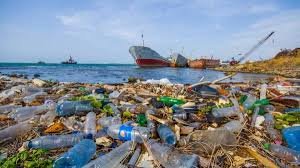
ABUJA, Nigeria – The Federal Government has warned that plastic pollution poses growing risks to aquatic ecosystems and human health, with microplastics already entering Nigeria’s food chain through fish consumption.
The warning was issued on Friday by Falmata Bukar-Kolo, Deputy Director of the Solid Waste Management and Technology Division at the Federal Ministry of Environment, during a stakeholders’ workshop in Abuja.
The workshop, organised in collaboration with PROTEGO, focused on validating a policy brief on marine litter prevention in Nigeria.
“Plastic pollution has severe consequences for aquatic ecosystems and human health,” Bukar-Kolo said. “Microplastics have entered the food chain through fish consumption, while clogged waterways, soil contamination and greenhouse gas emissions from burning plastics further compound the crisis.”
She noted that plastics disposed of in inland communities are often washed into rivers and eventually the sea, significantly contributing to marine litter along Nigeria’s coastline.
Bukar-Kolo called for improved waste management systems, behavioural change, stronger enforcement of environmental regulations and coordinated action among stakeholders, stressing that plastics are non-biodegradable and can persist in the environment for decades.
Regional Coordinator of PROTEGO, Clem Ugorji, warned that Nigeria’s marine litter problem carries environmental, economic and reputational risks, particularly for coastal communities dependent on fishing and tourism.
He said a key proposal in the policy brief is the harmonisation of mandates among agencies such as the National Environmental Standards and Regulations Enforcement Agency, the Nigerian Maritime Administration and Safety Agency, and the National Inland Waterways Authority.
The policy document also recommends mandatory Extended Producer Responsibility (EPR) and innovative financing mechanisms, including blue bonds and environmental levies, to fund coastal waste infrastructure.
About the Author

 Korede Abdullah