


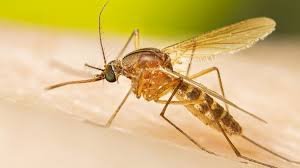
Nigeria’s persistent malaria burden, despite years of distributing insecticide-treated mosquito nets and implementing prevention programmes, exposes a major weakness in the country’s approach to controlling the disease. With millions of infections and thousands of preventable deaths recorded annually, it is clear that existing interventions have not delivered the desired results.
The problem demands more than repeated mosquito-net distribution. Nigeria must confront the environmental conditions that allow mosquitoes to breed and spread malaria. This requires sustained environmental sanitation, effective waste management, functional drainage systems and a comprehensive mosquito-control strategy.
Malaria is a life-threatening disease caused by parasites transmitted through the bites of infected female Anopheles mosquitoes. Although preventable and treatable, it remains a major public health challenge, particularly for children under five and pregnant women. Beyond its health consequences, malaria contributes to school absenteeism, lost productivity, household poverty and pressure on an already overstretched healthcare system.
The World Health Organisation’s 2025 World Malaria Report estimated that Nigeria recorded approximately 68.5 million malaria cases and 184,900 deaths in 2024. The country accounted for 24.3 per cent of global malaria cases and 30.3 per cent of malaria deaths, making it the largest contributor to the global malaria mortality burden. These figures are unacceptable for a country that has spent decades implementing malaria prevention and treatment programmes. They also raise serious questions about the effectiveness of current interventions and the government’s commitment to eliminating the disease.
Mosquito Nets Alone Cannot Eliminate Malaria
Successive Nigerian governments have invested in long-lasting insecticidal nets, seasonal malaria chemoprevention for children, preventive treatment for pregnant women, public awareness campaigns and improved access to diagnosis and treatment. These interventions remain essential and must continue. However, their implementation has not produced the reduction in infections and deaths Nigerians deserve. The gap between programme investments and public health outcomes demands a fundamental reassessment of the country’s malaria elimination strategy.
Mosquito nets protect people from bites, particularly while sleeping. However, they neither eliminate mosquitoes nor destroy their breeding grounds. Their effectiveness also depends on consistent use, proper maintenance and timely replacement when damaged or no longer effective. In communities where blocked drains, stagnant water, uncovered storage containers, abandoned construction sites and poorly managed refuse provide favourable breeding conditions, distributing more nets cannot adequately address the problem.
Nigeria must therefore move beyond a predominantly net-based approach and embrace integrated mosquito control that tackles the disease at its source.
Environmental Sanitation Must Become a Priority
Environmental sanitation should be a central pillar of malaria prevention, not an occasional exercise organised by state and local governments. Drainage channels must be constructed, cleared and maintained regularly. Stagnant water should be eliminated, refuse properly collected and disposed of, and residential neighbourhoods, markets and construction sites subjected to routine environmental inspections.
State and local governments have particularly important responsibilities. Communities should not continue to endure open drains, indiscriminate waste disposal, flooded streets and abandoned waterlogged spaces that encourage mosquito breeding. Environmental health officers must be empowered to conduct regular inspections, enforce sanitation regulations and ensure that property owners and businesses meet public health requirements. Sanitation should become a continuous public service rather than an activity reserved for monthly environmental exercises.
Urban planning authorities must also ensure that new developments incorporate functional drainage and waste-management systems. Without addressing these environmental weaknesses, Nigeria will continue spending scarce resources treating infections that could have been prevented.
Adopt Integrated Mosquito-Control Strategies
Beyond sanitation, Nigeria must strengthen integrated vector management, which combines scientifically proven methods to reduce mosquito populations. These measures include indoor residual spraying, appropriate larviciding, biological control, environmental management and targeted outdoor interventions. The National Malaria Elimination Programme recognises integrated vector management as an important component of the country’s vector-control strategy.
However, recognition must translate into consistent implementation, adequate funding, scientific monitoring and effective coordination among relevant agencies. The Federal Ministries of Health and Social Welfare, Environment, and Water Resources and Sanitation must work with state and local governments to make mosquito control a shared national responsibility.
The government should also invest in entomological surveillance to identify mosquito species, breeding patterns, insecticide resistance and changing transmission risks. Such evidence would help authorities target interventions more effectively instead of relying on routine distributions without adequately measuring their impact.
The urgency extends beyond malaria. Mosquitoes also transmit diseases such as yellow fever, dengue, chikungunya and Zika virus infections. Although different mosquito species transmit these illnesses, reducing mosquito populations and human exposure to their bites remains an important public health priority. Nigeria must therefore treat mosquito control as a broader disease-prevention strategy, not an intervention limited to malaria.
Citizens Have a Role, but Government Must Lead
Households also have a responsibility to reduce mosquito breeding around their homes. Residents should clear blocked drains, cover water-storage containers, dispose of discarded tyres and plastic containers properly, and prevent stagnant water from accumulating. Window and door screens, insect repellents and appropriate protective clothing can provide additional protection against mosquito bites.
However, individual responsibility must not become an excuse for government inaction. Citizens cannot independently resolve inadequate drainage infrastructure, poor waste collection or failed urban planning systems. Governments must provide the infrastructure and enforcement needed to sustain cleaner and healthier communities. Equally important is access to prompt malaria diagnosis and effective treatment. Fever should not automatically be treated as malaria without appropriate testing. Health facilities, particularly in rural and underserved communities, need reliable diagnostic kits and adequate supplies of effective medicines.
Pregnant women and young children must also receive recommended preventive interventions. The government must ensure that malaria prevention and treatment remain affordable and accessible, particularly to low-income households.
Malaria Elimination Requires Accountability
Nigeria’s ambition to eliminate malaria by 2030 requires more than ambitious targets and repeated distribution campaigns. It demands sustained investment, measurable outcomes, transparent monitoring and accountability at every level of government. Authorities should regularly publish data on mosquito-net coverage and usage, malaria infections and deaths, environmental sanitation activities and the effectiveness of vector-control programmes.
Public funds and development assistance must also be tied to demonstrable progress. Governments should be able to show how their interventions are reducing mosquito populations, preventing infections and saving lives. Nigeria has spent too many years managing the consequences of mosquito bites without doing enough to address the environmental and public health conditions that sustain mosquito populations.
Mosquito nets remain important, but they cannot substitute for functional drainage systems, effective waste management, environmental regulation, scientific vector control and accessible healthcare. The country must shift its emphasis from distributing more nets alone to building communities where mosquitoes have fewer opportunities to breed and spread disease. Ultimately, the success of Nigeria’s malaria elimination strategy should not be measured by the number of mosquito nets distributed or campaigns launched, but by the number of infections prevented and lives saved.




Join the conversation