Nigerian laboratory scientist Dr. Olufemi Afolabi discussing Nigeria’s worsening malaria burden amid global progress toward elimination.
LAGOS, Nigeria – As much of the world edges closer to defeating one of humanity’s deadliest diseases, Nigeria remains trapped in a devastating malaria paradox — a country where children still die from mosquito bites, families are pushed deeper into poverty by treatment costs, and hospitals overflow with preventable cases despite decades of global scientific breakthroughs. From vaccine rollouts to next-generation mosquito nets, the global malaria fight is producing historic gains, yet Africa’s most populous nation continues to account for nearly a third of malaria deaths worldwide. The contrast is stark, painful, and increasingly difficult to ignore. Korede Abdullah, writes.
Global Progress Amid a Persistent Nigerian Burden
World Malaria Day 2026 highlights measurable global gains in malaria control, driven by expanded vaccine deployment, improved treatments, and next-generation mosquito nets, which now account for about 84% of new distributions.
These interventions have enabled 25 countries to vaccinate about 10 million children annually, while 37 countries have reduced malaria cases below 1,000 and 47 have achieved malaria-free status. Despite this progress, Nigeria remains central to the global malaria crisis, underscoring a widening disparity in outcomes.
Nigeria’s Disproportionate Share of Global Cases
Nigeria continues to carry one of the heaviest malaria burdens worldwide, accounting for 24–27% of global cases and 30–31% of global deaths. The country records over 68 million cases and nearly 200,000 deaths annually.
Malaria also contributes to about 30% of hospital admissions, while economic losses are estimated at $1.1 billion each year. Household spending remains heavily out-of-pocket, accounting for 66–76% of malaria-related costs due to weak health insurance coverage.
Global Elimination Milestones Highlight Contrast
Some African countries have already achieved WHO certification as malaria-free after sustaining zero indigenous cases for at least three consecutive years.
These include Mauritius (1973), Algeria (2019), Egypt (2024), Cabo Verde (2024), Tunisia, Libya, Morocco, Seychelles, and Lesotho.
These successes highlight what sustained investment and system-wide interventions can achieve, sharply contrasting with Nigeria’s persistent endemic status.
Funding Gaps and Emerging Biological Threats
Despite interventions such as Artemisinin-based combination therapy and the RTS, S/AS01 vaccine, global malaria control faces a $5.4 billion funding gap, with only $3.9 billion raised against a $9.3 billion target.
Additional risks include rising drug and insecticide resistance, diagnostic challenges, and the spread of Anopheles stephensi into urban environments. These threats are compounded in countries like Nigeria that rely heavily on donor funding.
Nigeria’s Health Budget and Abuja Declaration Shortfall
In the 2026 fiscal proposal, Nigeria allocated approximately ₦2.48 trillion—about 4.2% of the ₦58.18 trillion national budget—to health, far below the 15% Abuja Declaration benchmark.
Although priorities include strengthening primary healthcare, vaccine procurement, and emergency preparedness, analysts warn that capital budget implementation remains below 42%, limiting real-world impact and deepening systemic inefficiencies.
Patient’s Struggle with Out-of-Pocket Costs
A malaria patient, Kehinde Badmus, who spoke with our correspondent described the financial strain of treatment under Nigeria’s weak insurance coverage system.
She said, “I had no choice but to pay everything myself because there was no health insurance coverage for me. It was very difficult.”
Her experience reflects a broader reality in which many Nigerians continue to finance malaria treatment directly, despite the country’s high disease burden.
Expert Warning on Nigeria’s Escalating Burden
Laboratory scientist Dr. Olufemi Afolabi in an exclusive interview with Africa Health Report, described global progress as encouraging but warned that Nigeria remains at the centre of the crisis.
He said, “The most encouraging development is the scale of prevention and treatment coverage. Vaccines, improved therapies, and next-generation mosquito nets now account for the majority of interventions, with about 84% of new net distributions using improved designs.”
He noted that “25 countries now vaccinating about 10 million children annually, 37 countries reducing malaria cases below 1,000, and 47 countries declared malaria-free”, adding, “This shows elimination is possible.”
However, he stressed Nigeria’s heavy burden, saying it accounts for “about 24–27% of global malaria cases and 30–31% of deaths, with more than 68 million cases and nearly 200,000 deaths recorded annually.”
He added that “malaria is responsible for about 30% of hospital admissions” and costs Nigeria “about $1.1 billion annually in productivity losses and health spending,” with “66–76% of malaria-related spending coming directly out-of-pocket.”
On risks, he warned of resistance and vector spread, and concluded that “malaria elimination remains possible within a generation… but only with sustained commitment.”
Unequal Progress and Risks
Epidemiologist Dr. Charles Adeyemo who also spoke with this newspaper echoed concerns, noting global progress but uneven outcomes.
He said, “The global data is encouraging and shows that elimination is increasingly realistic. Progress has been driven by vaccines, improved treatments, and next-generation mosquito nets, which now account for about 84% of new distributions.”
He highlighted achievements such as “25 countries now vaccinating about 10 million children annually, 37 countries have reduced malaria cases to below 1,000, and 47 countries have achieved malaria-free status.”
However, he warned that Nigeria remains the epicenter, stating it accounts for “about 24–27% of global cases and 30–31% of global deaths,” with “over 68 million cases and nearly 200,000 deaths annually.”
He added that “malaria continues to place heavy pressure on the health system, responsible for about 30% of hospital admissions,” and that “between 66% and 76% of malaria-related spending is paid directly out-of-pocket.”
He cautioned that “risks are particularly worrying because they can undermine existing control strategies,” and concluded that elimination is possible “only if there is sustained financing, stronger health systems, and effective management of resistance.”
Institutional Response and Structural Weaknesses
Nigeria’s malaria response is coordinated through the National Malaria Elimination Programme alongside technical groups covering vector management, case management, surveillance, procurement, and social mobilisation.
These structures oversee interventions such as insecticide-treated net distribution, preventive treatment for pregnant women, and rapid diagnostic testing.
However, uneven state-level implementation, weak data systems, supply chain gaps, and funding constraints continue to undermine effectiveness and limit programme sustainability.
Policy Momentum Versus Implementation Gaps
In April 2026, renewed efforts were led by the Coordinating Minister of Health and Social Welfare, Prof. Muhammad Ali Pate, and Minister of State Dr. Iziaq Adekunle Salako, who launched the National Malaria Strategic Plan (2026–2030) targeting a 50% reduction in malaria burden.
Salako said, “eliminating malaria and related diseases remains firmly at the centre of the Renewed Hope Agenda. It is not a slogan; it is a strategic priority.” Pate has also described malaria as a national emergency and led “The Big Push to End Malaria,” calling for African-led solutions and stronger domestic financing.
Yet analysts argue that despite these commitments, weak coordination, resistance, and funding gaps continue to hinder progress, leaving Nigeria’s malaria challenge unresolved.
Korede Abdullah is Southwest Correspondent for Africa Health Report, particularly focusing on health and development news.
He has covered significant health-related stories and business to social issues, indicating a broad range of interests and expertise.
He is a dedicated and versatile journalist contributing to informed discourse in Nigeria.
 Korede Abdullah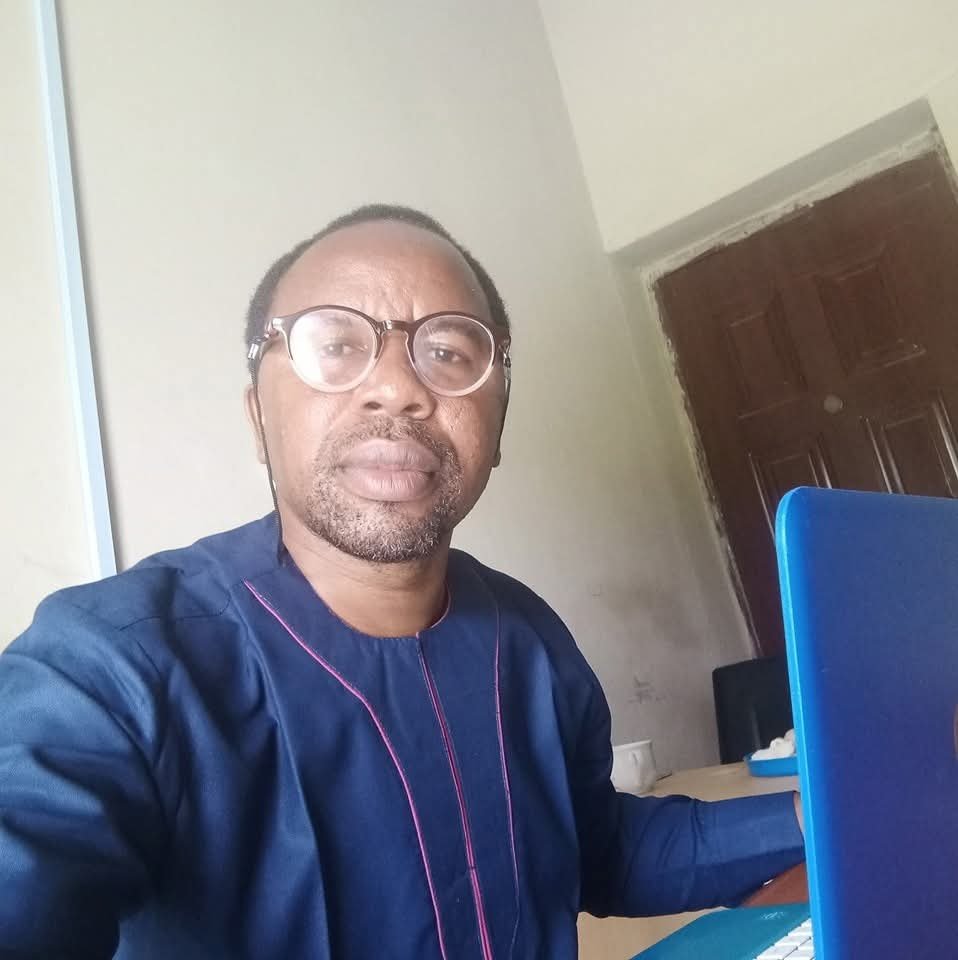

 Oluwatobi Adu
 Hope Ajayi