Otamere Gladness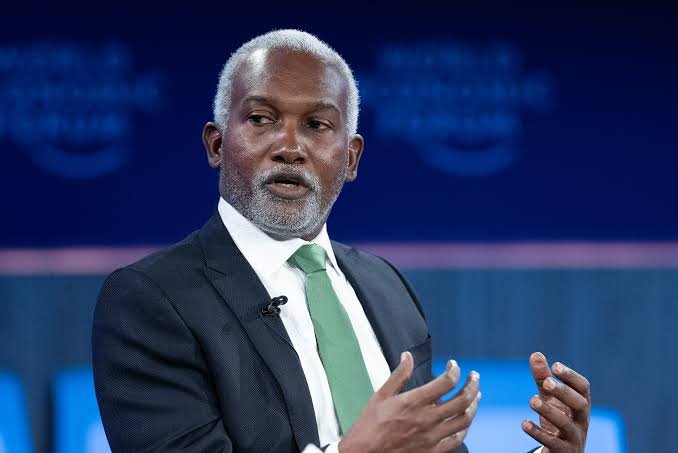
Minister of Foreign Affairs, Yusuf Tuggar
ABUJA, Nigeria – Nigeria shifts its foreign policy strategy towards economic diplomacy, placing job creation, investment inflows and measurable benefits for citizens at the centre of all international engagements, Foreign Affairs Minister Ambassador Yusuf Tuggar says.
Tuggar made the declaration on Sunday during a high-level panel discussion titled “BRICS, GCC and Evolving Relations for a Changing Global Order” at the ongoing Doha Forum 2025.
Speaking through his Special Assistant on Media and Communications Strategy, Alkasim Abdulkadir, the minister says Nigeria’s diplomacy under President Bola Ahmed Tinubu is now firmly interest-driven rather than ideology-driven.
“Nigeria remains committed to building partnerships based on mutual respect, shared interests, and tangible economic outcomes that directly benefit its people,” Tuggar states.
He explains that with a youthful population exceeding 230 million, Nigeria’s foreign relations must aggressively support wealth creation, expansion of the middle class and sustained foreign direct investment to address pressing domestic challenges, including unemployment.
Tuggar adds that Nigeria’s engagement with global blocs such as BRICS, the G20, and the Gulf Cooperation Council reflects pragmatic economic calculations, not geopolitical alignment.
“Nigeria is deliberately avoiding rigid East–West divisions and instead pursuing balanced relationships with all partners in a rapidly changing multipolar world,” he says.
Foreign policy analysts note that the shift aligns with Tinubu’s broader economic reform agenda, which seeks to attract investment, reposition Nigeria as an African commercial hub and translate diplomacy into concrete development gains.
The government insists Nigeria will continue to engage widely while prioritising partnerships that deliver jobs, technology transfer and inclusive growth for its citizens.
About the Author


 Koko Maxwella
 Edino Chubiyo Cornelius