
Nigeria Needs N36bn Investment to Unlock Commercial Beekeeping Growth
 Chukwu Obinna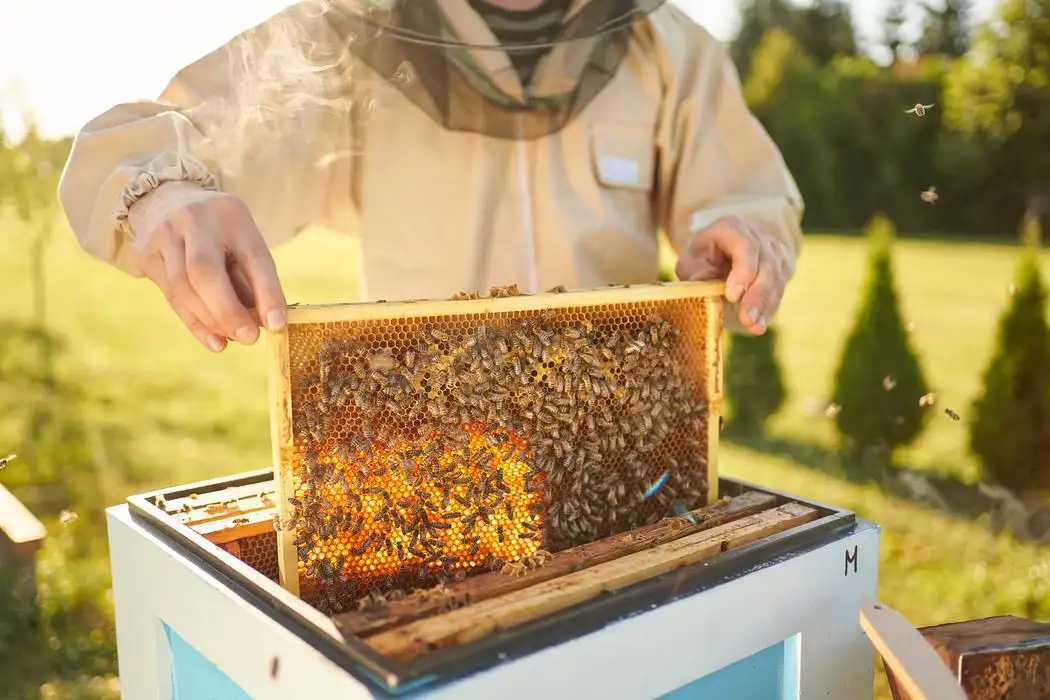
LAGOS, Nigeria – Nigeria’s beekeeping industry requires at least ₦36 billion in fresh investment to shift from small-scale production to full commercial output, agricultural development experts warn.
Director-general for Africa at Youth for Agricultural Initiatives (YFAI), Niyi Adeyemo on Thursday, says the sector’s growth remains stalled by weak financing structures and low investor confidence, despite rising awareness and youth participation.
“We have not scaled up to the commercial level in honey production,” Mr Adeyemo says. “Commercial banks want to see a clear finance model and when returns will be realised before committing funds.”
He explains that while interest in apiculture is growing, access to capital remains the biggest barrier preventing expansion across the value chain — from hive construction to processing and export.
Mr Adeyemo proposes that each state government allocate ₦1 billion to apiculture development, arguing that coordinated public investment could unlock private funding and boost food security.
“If each state dedicates ₦1 billion to the sector, the impact will be multidimensional,” he says. “It will improve productivity, employment and pollination outcomes.”
According to YFAI, the estimated ₦36 billion funding gap would enable large-scale queen bee breeding programmes, eliminating a critical bottleneck that currently limits new entrants.
“With proper funding, we can establish queen bee rearing centres so anyone can start a bee farm without difficulty,” Mr Adeyemo says.
He also advocates the creation of designated “bee villages” or “bee estates” — protected zones that support colony development while improving crop yields through enhanced pollination.
“The more bees available, the better the quality and quantity of food production,” he says, linking apiculture directly to national food security goals.
About the Author

 Oluwatobi Adu
 Edino Chubiyo Cornelius
 Otamere Gladness
 Hussaini Ibrahim