
 Mirian Gom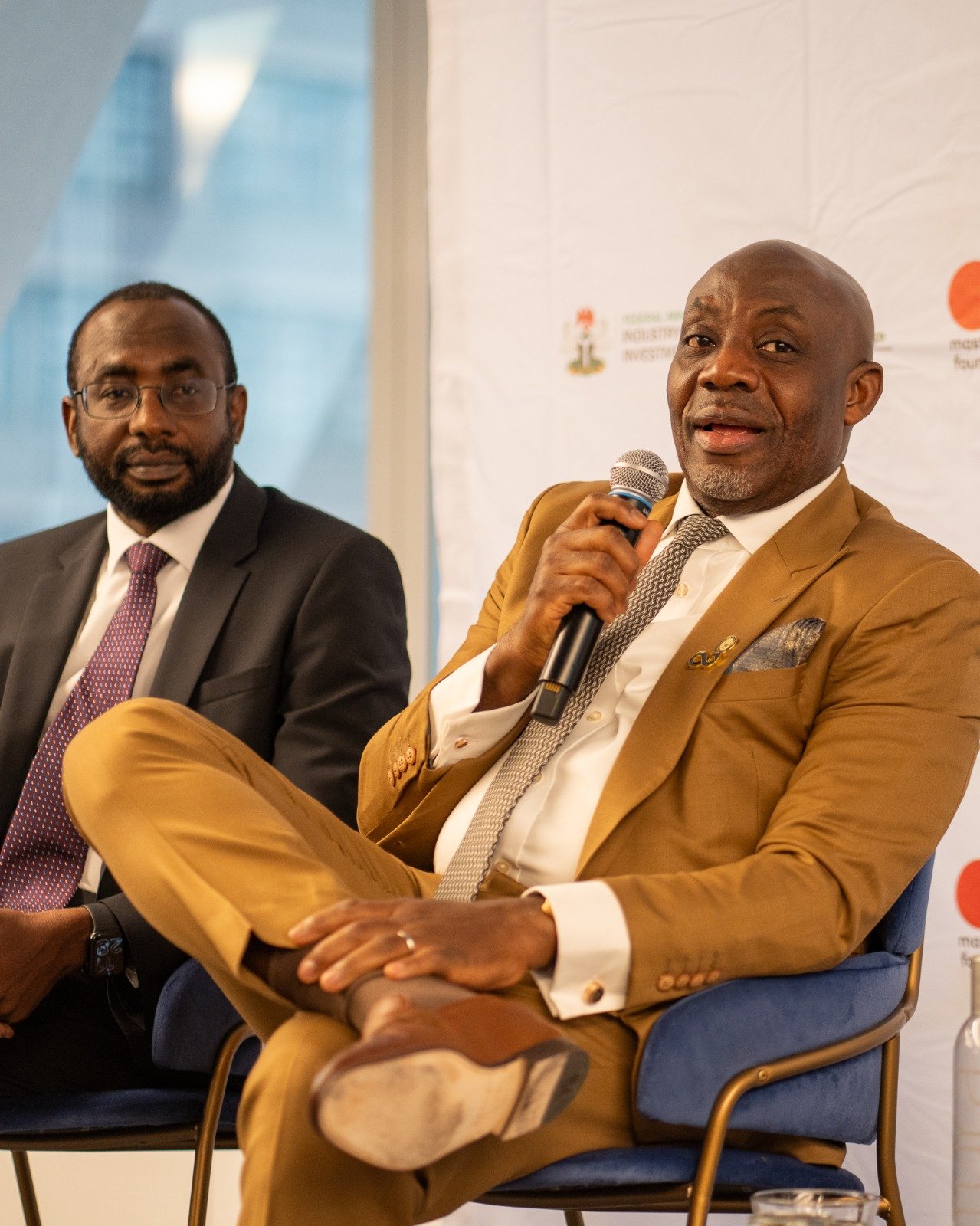
Education Minister, Dr. Tunji Alausa speaks at the Hire From Nigeria event at UNGA 81
ABUJA, Nigeria – Nigeria is repositioning its education and skills system to produce trained, certified and adaptable workers for the global outsourcing and digitally enabled services market, the Minister of Education, Dr Maruf Tunji Alausa, has said.
Alausa spoke at the Hire From Nigeria side event on the margins of the 81st United Nations General Assembly in New York, where he outlined the Federal Ministry of Education’s role in building a talent pipeline linked directly to international employment opportunities.
In a statement issued on Sunday by the minister’s Special Adviser (Media and Communications), Mr. Ikharo Attah in Abuja, the Minister said Nigeria’s youthful population, English-language advantage, cultural adaptability and expanding digital capabilities provide a foundation for the country to compete in the global outsourcing economy. “Nigeria’s greatest asset is its people: a young, ambitious, English-speaking and increasingly digitally capable population. Our task in Education is to turn that scale into verified competence and reliable service delivery,” he said.
According to Alausa, the digitally enabled services sector could create jobs, increase export earnings and allow Nigerians to build globally sourced careers without necessarily leaving the country.
He, however, identified gaps between education and employer requirements, limited work-based learning and inadequate access to internationally recognised certification as challenges that must be addressed.
To close the gaps, he said the Ministry was pursuing curriculum reform, stronger accreditation and quality assurance, as well as expanded digital and technical training through federal institutions and accredited private providers. “We need a permanent employer-led feedback loop, not occasional curriculum reviews,” Alausa said, urging employers to participate in programme design, training, assessment, certification and recruitment.
The Minister also said the government was working to reposition technical and vocational education as a pathway to employment, entrepreneurship and global opportunities.
He disclosed that the Federal Government’s free Technical and Vocational Education and Training programme had received more than one million applications, with 160,000 trainees supported through about 1,200 centres nationwide, including Federal Technical Colleges and accredited private training centres.
The government is also promoting multiple pathways to employment and enterprise, including university education, TVET, apprenticeships and continuous professional upskilling.
Alausa said preparing young Nigerians for an economy increasingly shaped by artificial intelligence was another priority. “We must train young people to work with artificial intelligence, not to compete with it on routine tasks,” he said.
He identified skills such as judgement, creativity, domain knowledge, data literacy, cybersecurity, cloud services, software development, customer success, quality assurance and AI-enabled operations as increasingly important.
Alausa also highlighted the Student Venture Capital Grant, which supports students in STEMM disciplines to turn innovative ideas into businesses.
He urged employers to define skills requirements, co-design training programmes, provide work-based learning, recognise credible Nigerian certifications and recruit from Nigerian talent pools.
BPO operators and investors, he added, should consider establishing delivery centres beyond Nigeria’s major commercial cities while supporting training infrastructure, connectivity and quality systems.
“Under President Bola Ahmed Tinubu’s Renewed Hope Agenda, our commitment is clear: we will continue to invest in the skills, knowledge and innovation of our young people and build an education system that gives Nigerian talent the capacity and confidence to compete and succeed anywhere in the world,” he said.
About the Author


 Oluwatobi Adu


 Hope Ajayi