


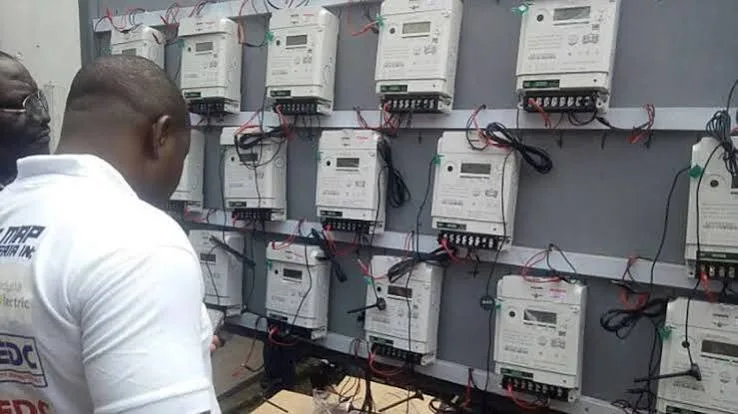
ABUJA, Nigeria – The Nigerian Electricity Regulatory Commission (NERC) has approved ₦30bn for the third phase of the Meter Acquisition Fund, targeting the installation of electricity meters for all remaining unmetered Band A customers and expanded coverage for consumers in Band B.
The regulator has directed electricity distribution companies (DisCos) to complete installations under the programme by May 31, 2027, warning that customers must not be charged for meters supplied through the initiative. The directive is contained in Order No. NERC/2026/121 on the operationalisation of Tranche C of the Meter Acquisition Fund, which took effect on November 2, 2026. NERC announced the order in a statement published on its official X account on Tuesday.
Under the arrangement, the ₦30bn will be distributed among the country’s 11 electricity distribution companies in proportion to their respective contributions to the fund. The regulator said the intervention would prioritise unmetered Band A customers while accelerating installations for Band B consumers, with coverage distributed equitably across states within each DisCo’s franchise area. The funding forms part of the Federal Government’s Presidential Metering Initiative, which seeks to address Nigeria’s persistent metering deficit, reduce consumers’ exposure to estimated billing and improve accountability in electricity distribution.
To strengthen accountability, the regulator introduced a two-stage payment arrangement. Under the system, 70 per cent of contract payments will be released after verification of delivered meter stocks, while the remaining 30 per cent will be paid after the complete installation of the meters has been confirmed.
The regulator further directed that each meter supplied under the programme must prominently display the name of the relevant distribution company, the applicable funding tranche and the inscription, “NOT FOR SALE”. The order also provides for situations in which a distribution company relocates a customer’s existing connection point for revenue protection purposes.





Join the conversation