
 Oluwatobi Adu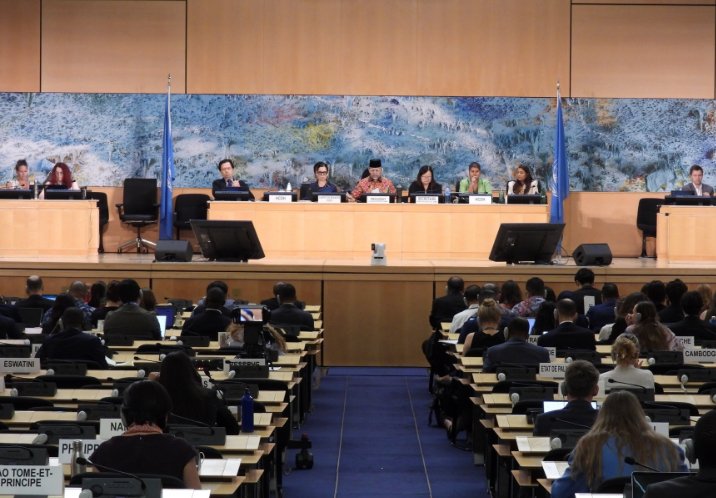
GENEVA – The neglected tropical diseases human rights agenda has received a major global boost after the United Nations Human Rights Council adopted a landmark resolution recognising neglected tropical diseases (NTDs) as a human rights issue for the first time.
The resolution was adopted by consensus on Tuesday during the 62nd session of the United Nations Human Rights Council in Geneva, marking the first dedicated human rights framework addressing all neglected tropical diseases.
Introduced by Malawi, alongside Burkina Faso, The Gambia, Kenya, Morocco and the United Republic of Tanzania, the resolution calls on governments to strengthen the protection of people affected by NTDs and address the underlying social and economic conditions that drive the diseases.
The council says neglected tropical diseases are closely linked to poverty, inequality and limited access to essential services, including safe water, sanitation, healthcare, education and adequate housing.
“We welcome this resolution, which underscores that neglected tropical diseases cannot be viewed solely as a medical issue,” says Dr Daniel Ngamije Madandi, Director of the Malaria and Neglected Tropical Diseases Department at the World Health Organization (WHO).
“We stand ready to collaborate with all relevant governments, the Human Rights Council, and the Office of the United Nations High Commissioner for Human Rights to identify concrete ways forward and support their implementation,” he adds.
The resolution also identifies climate change, armed conflict and population displacement as factors increasing the risk of infection, while noting that women, girls and underserved communities are disproportionately affected.
It encourages countries to improve the collection and analysis of disaggregated data to better identify vulnerable populations and strengthen targeted interventions.
The Human Rights Council further urges governments and development partners to increase financial, technical and institutional support for neglected tropical disease programmes and ensure essential health services remain accessible during public health emergencies.
About the Author


 Mirian Gom