Mirian Gom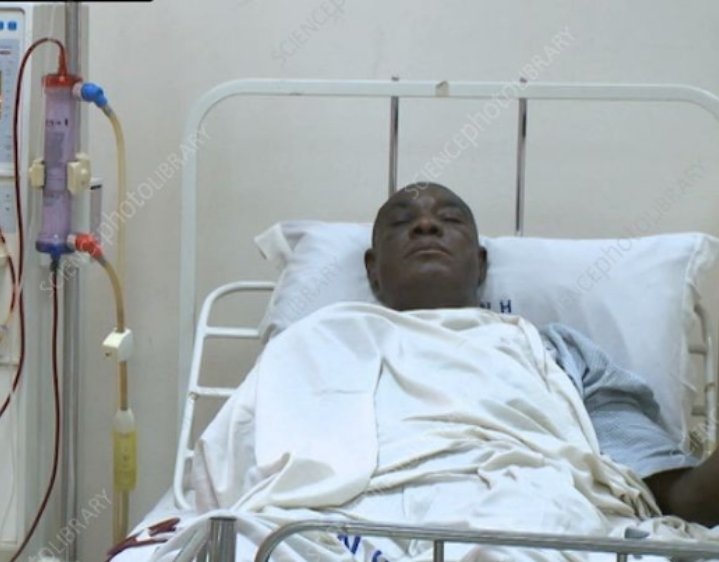
ABUJA, Nigeria – Nigeria strengthens its response to severe Lassa fever cases as the Nigeria Centre for Disease Control and Prevention deploys dialysis machines to five high-burden states.
Speaking in Abuja on Friday, NCDC Director-General Jide Idris says the equipment supports the management of complicated Lassa fever cases, particularly patients suffering kidney failure. The machines are distributed to Edo, Kaduna, Lagos, Nasarawa and Plateau states based on disease burden and treatment needs.
Idris explains that the dialysis units are procured through donor partnerships and corporate support, describing the intervention as a targeted effort to reduce fatalities. “Dialysis remains critical where Lassa fever progresses to renal complications,” he says.
He stresses that outbreak control remains a shared responsibility between federal and state governments. “States must prioritise health and strengthen their systems. We provide support, but implementation at state level is key,” Idris adds.
Addressing concerns over rising deaths, the NCDC boss links exposure in hotspot communities to environmental and behavioural factors, particularly rodent-human contact in high-risk areas.
He notes that Nigeria continues to track outbreaks under the 7-1-7 surveillance benchmark, which mandates detection within seven days, reporting within 24 hours and response within seven days.
On funding challenges, Idris acknowledges sector-wide constraints but says response activities continue through existing allocations and partnerships. He also confirms Nigeria’s preparations to host a global conference on antimicrobial resistance, showcasing national efforts to combat AMR.
Idris clarifies that non-communicable diseases fall outside the agency’s mandate, reaffirming NCDC’s focus on infectious disease surveillance, prevention and emergency response.
About the Author


 Oluwafunbi Bello
 Koko Maxwella
 Hussaini Ibrahim