


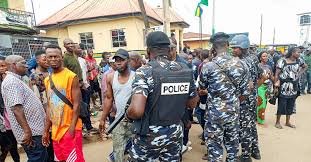
JOS, Nigeria – The Mangu attacks have prompted the Mwaghavul Development Association (MDA) to call for sustained military operations in vulnerable communities across Plateau State, following renewed violence that reportedly killed 28 people and destroyed homes and farmlands.
The association appealed to the Federal Government, Plateau State Government and security agencies to maintain pressure on armed groups operating in Mangu Local Government Area, warning that temporary deployments would not provide lasting security for affected communities.
The call was contained in a statement issued on Monday after an extraordinary meeting of the association’s Central Working Committee, where members reviewed the worsening security situation in Mwaghavul communities.
According to the MDA, the attacks affected Bin Mper and Murish communities, leaving at least 28 people dead while destroying property worth millions of naira.
The association described the violence as a major threat to residents’ lives, livelihoods and food production, noting that many affected families have been displaced and now face an uncertain future.
“MDA mourns this devastating loss and stands in complete solidarity with the affected families,” the association said
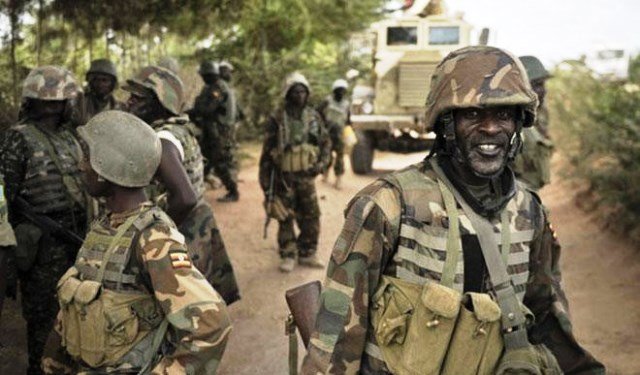
Despite expressing concern over the attacks, the group commended the Nigerian Army and other security agencies for what it described as their swift intervention and improved coordination in responding to the violence.
The association specifically praised the General Officer Commanding 3 Division of the Nigerian Army and Commander of Operation Enduring Peace for strengthening security operations in the area.
It also lauded Plateau State Governor Caleb Mutfwang for visiting Bin Mper following the attacks, deploying additional security personnel, promising relief materials for affected residents and committing to improving access roads to enhance security operations.
According to the association, improving road infrastructure would enable security agencies to respond more rapidly to distress calls while making remote communities less vulnerable to attacks.



Join the conversation