 Korede Abdullah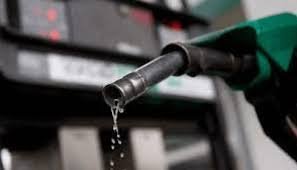
LAGOS, Nigeria – Lagos residents reel from a wave of petrol price hikes within just three weeks, as motorists and commuters describe the surging costs as crippling livelihoods and worsening economic strain.
An exclusive survey by Africa Health Report on Saturday shows petrol now sells at about ₦1,250 per litre across the city—up sharply from ₦780–₦850 earlier this month—following repeated upward reviews.
Commercial drivers who spoke to our correspondent said the rapid increases leave them with little room to adjust. “We bought fuel for about ₦800 before, but now we are paying over ₦1,250. How do we survive with this?” says Oshodi-based driver Waliu Omowaye. “This is becoming unbearable.”
Motorcycle rider Kareem Babatunde echoes the frustration. “At ₦1,250 per litre, our profit is gone. We spend almost everything on fuel.”
The latest spike follows a fresh adjustment by Dangote Refinery, which raises its gantry price from ₦1,175 to ₦1,245 per litre, effective March 21, 2026.
In a notice, the refinery attributes the increase to global oil market pressures, with Brent crude rising to $112 per barrel amid geopolitical tensions in the Middle East.
Industry stakeholders confirm the ripple effect on consumers. Spokesperson of the Independent Petroleum Marketers Association of Nigeria, Chinedu Ukadike, says retailers will inevitably transfer the additional cost to buyers.
The March adjustments mark the fourth increase in rapid succession, with prices climbing from ₦774 to ₦875, ₦995, ₦1,175 and now ₦1,245 per litre—triggering widespread concern over affordability.
Data from the Nigerian Midstream and Downstream Petroleum Regulatory Authority indicates the refinery supplies about 61 per cent of Nigeria’s petrol demand, suggesting the hikes will significantly shape pump prices nationwide.
Analysts project prices could climb further to between ₦1,331 and ₦1,400 per litre, deepening pressure on transport fares, food costs and household incomes.
About the Author

 Chukwu Obinna
 Hussaini Ibrahim