
 Oluwatobi Adu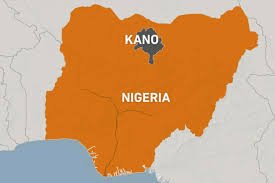
KANO, Nigeria – Kano State has doubled down on aggressive tax reforms after internally generated revenue surged to ₦102 billion in 2025, with authorities now targeting ₦200 billion in 2026.
The milestone, announced by the Kano State Internal Revenue Service, reflects a sharp rise from ₦74 billion recorded in 2024, signalling a shift toward stronger fiscal independence.
Chairman of KIRS, Zaid Abubakar, attributed the growth to sweeping institutional reforms, improved compliance enforcement, and digital transformation of tax systems.
He said the ongoing Kano State Revenue Administration Law has positioned the state at the forefront of modern tax governance, aligning local systems with national standards while leveraging regional economic strengths.
As part of restructuring efforts, the agency reduced Area Tax Offices from 28 to 12 centralised Revenue Service Centres, recruited 100 personnel, and upgraded motor vehicle and number plate administration systems.
The service also deployed mobile enforcement tools and strengthened data systems to improve efficiency and reduce leakages.
In a controversial move, Abubakar announced plans to introduce a ₦2,000 annual development levy, with 50 per cent retained at the community level to fund grassroots projects.
“The service is targeting ₦200 billion IGR on attainment of full institutional autonomy,” he said.
He added that new revenue service centres would be constructed to replace rented facilities, while integration with federal tax systems would enhance intelligence sharing.
State officials say the reforms are critical to funding infrastructure and public services, but analysts caution that expanding the tax net must be balanced with economic realities to avoid burdening low-income earners.
About the Author

 Hope Ajayi

 Korede Abdullah