
 Oluwafunbi Bello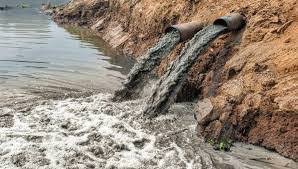
DAMATURU, Nigeria – Preliminary findings from chronic kidney disease (CKD) research in Yobe State reveal the presence of heavy metals in water consumed by residents of Gashua town, raising fresh public health concerns.
The Lead Researcher and Director of the Biomedical Research and Training Centre (BioRTC), Yobe State University, Prof Mahmoud Maina, disclosed this on Monday during an interview with the News Agency of Nigeria (NAN).
Communities along the Yobe River, including Gashua and Jakusko, have for decades battled a high burden of renal failure, resulting in significant mortality and morbidity.
Maina identifies cadmium, lead and arsenic as metals detected in samples, warning that their presence in the environment poses severe health risks. “If you find them close to your environment, then know that they can result in not only kidney disease but also other conditions like cancer and dementia,” he says.
The research also links CKD prevalence to diabetes and hypertension, with fishermen emerging as the most affected occupational group.
According to Maina, over 3,000 human and environmental samples — including blood, urine, food, soil, river and borehole water — are collected by a 50-member international research team from Nigeria, the United States, the United Kingdom and Ghana.
He says a more detailed report will be released in January 2026.
Maina also highlights the centre’s dementia research, noting that lifestyle data, blood samples and skin biopsies of 1,200 high-risk individuals are collected for genetic analysis. “Dementia is not a normal part of aging,” he says, warning that Africa could see a 300 percent rise in cases within 25 years.
He commends the Yobe State Government for funding the centre and calls for greater investment in research and innovation to address public health challenges.
About the Author

 Edino Chubiyo Cornelius
 Chukwu Obinna

 Hussaini Ibrahim