Experts Raise Alarm Over Food Adulteration, Contamination in Nigeria
 Korede Abdullah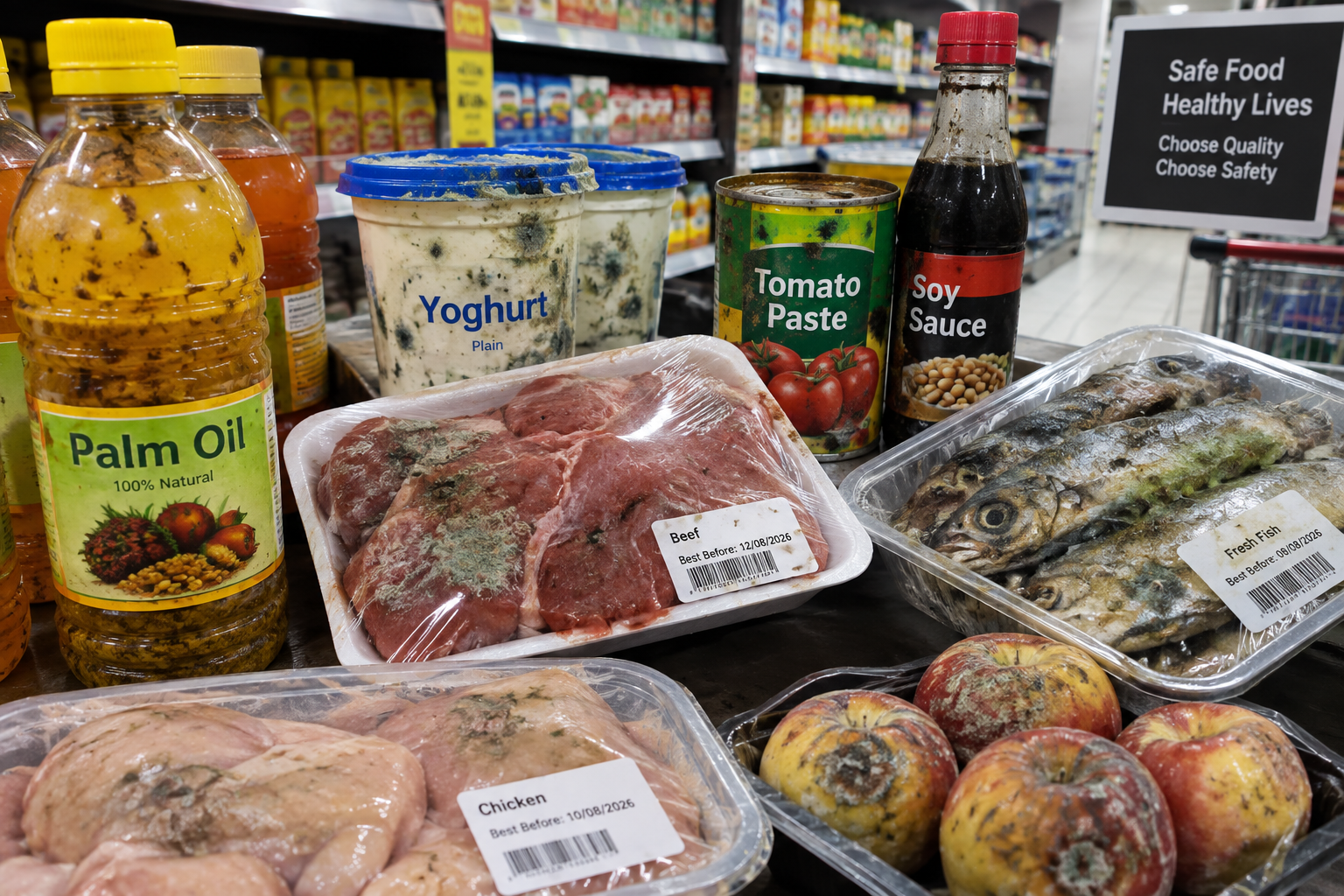
LAGOS, Nigeria – Food safety experts have warned that widespread food adulteration, contamination and weak supply-chain traceability are exposing millions of Nigerians to preventable health risks.
The concerns were raised at the fourth Lagos State Food Safety Conference and Exhibition in Ikeja.
Chief Executive Officer of the Lagos State Consumer Protection Agency (LASCOPA), Afolabi Solebo, described food safety as a critical public health and economic issue requiring stronger collaboration among regulators, businesses and consumers.
Delivering the keynote address, food safety consultant Dr. Adeniyi Odugbemi said food-borne diseases are responsible for more than 53,000 deaths and about 50 million illnesses annually in Nigeria.
He identified informal food markets as a major source of contamination and called for stricter food safety enforcement across the supply chain.
Also speaking, food safety expert Dr. Nurayn Oseni warned against the increasing adulteration of palm oil using chemical dyes to improve appearance.
She estimated that up to seven out of every 10 palm oil samples sold in some markets could be adulterated, stressing the need for stronger laboratory testing and mandatory batch-tracing systems.
Meanwhile, the National Agency for Food and Drug Administration and Control (NAFDAC) disclosed that it received 225 complaints relating to suspected counterfeit products in August alone.
Director-General of NAFDAC, Prof. Mojisola Adeyeye, said the agency receives more than 200 reports monthly and urged Nigerians to report suspected counterfeit or unsafe products through official complaint channels.
She cautioned against relying solely on social media allegations, noting that laboratory investigations remain the basis for confirming whether products are counterfeit or unsafe.
Also addressing participants, Executive Vice Chairman of the Federal Competition and Consumer Protection Commission (FCCPC), Tunji Bello, called for stronger collaboration among regulators, civil society organisations and market associations.
He warned that businesses found deliberately compromising food safety standards would face appropriate sanctions.
About the Author


 Hope Ajayi

 Mirian Gom