
Feeding on Faith: Nigerian Parents Gamble with Baby Food Safety in a Market of Doubt
 Koko Maxwella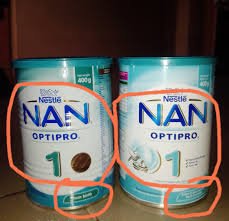
ABUJA, Nigeria – On a humid afternoon in Lagos, Amaka Johnson stood in the baby food aisle of a neighbourhood supermarket, lifting tins of infant formula one after the other. She checked expiry dates, scrutinised seals and turned each can over, hunting for the small registration number that signals regulatory approval. Even then, she hesitated. Koko Maxwella, writes.
“You can’t always be sure what is real and what is fake,” Johnson said, her voice dropping as her one-year-old fidgeted on her hip. “Even when the packaging looks original, you still worry if it was stored properly or if it has expired.”
For parents across Nigeria, feeding a baby has become an exercise in constant vigilance. Beyond the everyday anxieties of new parenthood lies a deeper fear: that the food meant to nourish their children could quietly harm them. From counterfeit formula and expired cereals to poor storage conditions and weak oversight in informal markets, concerns about baby food safety are reshaping how family’s shop, cook and trust.
In a country where inflation has pushed food prices beyond the reach of many households, parents are forced to navigate a fragile system — one where affordability often competes with safety, and trust is hard-won.
A marketplace of mixed signals
Nigeria’s baby food market is vast and fragmented. Imported infant formula lines supermarket shelves, while locally produced cereals and complementary foods are sold in open markets, kiosks and roadside stalls. Online vendors, operating largely through social media and messaging apps, add another layer of convenience — and uncertainty.
In Abuja, Mariam Adamu recalled throwing away a packet of baby cereal she bought from a local market after noticing a strange smell.
“I didn’t want to take chances with my child’s health,” she said. “But buying only from big stores is expensive, and not everyone can afford that.”
Her dilemma reflects a reality faced by millions of families. Rising living costs have pushed many parents toward cheaper options, where product authenticity and proper handling are harder to verify. A tin of imported formula in a formal retail store may cost double — sometimes triple — the price of a similar-looking product sold in an open market.
For parents on tight budgets, the decision is rarely straightforward.
The hidden risks in infant nutrition
Health professionals warn that unsafe infant food can have consequences far beyond an upset stomach. Babies, with their developing immune systems, are particularly vulnerable to contamination and nutritional deficiencies.
“Baby formula and infant food must meet strict safety standards,” said Silas Musa, a pharmacist in Port Harcourt. “Exposure to heat, expired contents, or fake products can harm a baby’s development. Parents should always check NAFDAC numbers, expiry dates, and purchase from trusted sources.”
Improper storage is a major concern. In many open markets, infant food is displayed under direct sunlight or stored in poorly ventilated spaces, conditions that can degrade nutrients and increase the risk of spoilage.
Maternal health workers stress that safety does not end at the point of purchase.
“Even original products can become unsafe if prepared or stored incorrectly,” said Nurse Magret John. “Clean water, correct measurements, and proper sealing after opening are critical to preventing infections.”
In communities where access to clean water is inconsistent, proper preparation can be as challenging as finding a safe product in the first place.
Regulation under strain
Nigeria’s food safety framework places responsibility for oversight on agencies such as the National Agency for Food and Drug Administration and Control (NAFDAC). The agency is mandated to regulate and control the manufacture, importation, distribution and sale of food and drug products, including infant nutrition.
Regulatory officials say inspections and enforcement exercises are ongoing, but acknowledge persistent gaps, especially in informal markets that account for a large share of consumer purchases.
“The informal market is difficult to control fully,” a regulatory official said, speaking on condition of anonymity. “Stronger surveillance, public education and tougher penalties for offenders are needed.”
Consumer advocacy groups argue that while seizures of counterfeit goods are occasionally publicised, sustained monitoring and transparent reporting are lacking. They also point to porous borders and complex supply chains that allow fake or substandard products to circulate widely before being detected.
Parents as risk managers
In the absence of complete trust in the system, many parents have become their own quality-control officers. They develop personal routines — sticking to familiar brands, buying only from specific shops, cross-checking packaging details, or relying on advice shared in parenting groups.
WhatsApp forums and online communities have become informal warning systems, where parents share photos of suspicious products and tips on spotting fakes. Some mothers travel long distances to buy baby food from outlets they consider reliable. Others stock up when they find a trusted source, even if it strains their finances.
For Johnson, the Lagos mother, peace of mind comes at a price. “I buy less, but I try to buy safer,” she said. “Sometimes that means cutting back on other things.”
Yet experts caution that individual vigilance, while necessary, cannot replace systemic solutions.
The affordability trap
Underlying the safety debate is a broader economic reality. Nigeria’s inflation has eroded purchasing power, making imported baby food increasingly unaffordable. Local alternatives, while cheaper, are not always produced or stored under optimal conditions.
Nutritionists warn against framing the issue as a simple choice between imported and local products. Instead, they call for stronger quality control across the board and support for local manufacturers to meet safety standards.
“Safe infant nutrition should not be a luxury,” said a public health nutritionist based in Ibadan. “When parents are forced to choose between affordability and safety, children pay the price.”
A call for trust and transparency
As Nigeria grapples with broader food security challenges, baby food safety remains a deeply human concern — one measured not in statistics, but in parental fear and daily decisions made in market aisles.
Experts argue that restoring trust will require coordinated action: tighter regulation, consistent market surveillance, clearer public education and accountability for those who profit from unsafe products.
For now, parents continue to walk a tightrope, balancing cost, convenience and caution.
“We are just trying to do the best we can,” Adamu said. “Every parent wants to protect their child. We shouldn’t have to gamble to do that.”
About the Author

 Oluwatobi Adu
 Korede Abdullah

 Chukwu Obinna