
 Juliet Jacob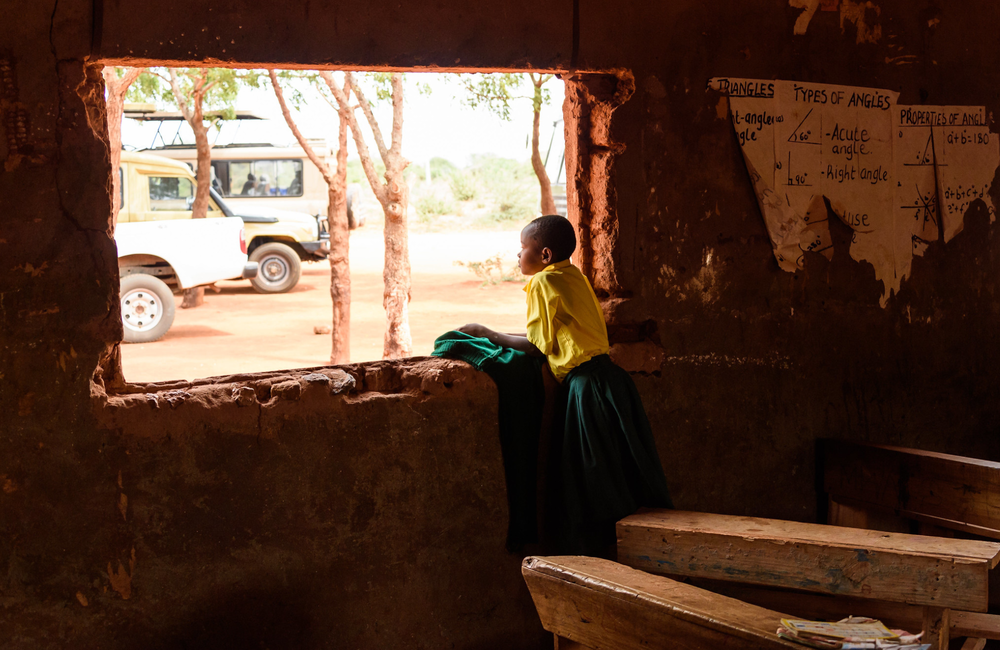
ABUJA, Nigeria – A major new study reveals that education not only influenced Africa’s HIV epidemic but fundamentally consideration-shaped its entire trajectory.
Published in Social Science & Medicine, the research analyses data from more than 300,000 adults across eight African countries, tracking how schooling first increased HIV risk before becoming a powerful protective factor.
Lead author Dr Ismael G. Muñoz of Pennsylvania State University says early infections clustered among educated elites. “For people born between 1965 and 1969, every additional year of schooling increased HIV risk by 10–15%,” Muñoz says. “Those early warnings weren’t wrong.”
Professionals were more mobile, urban and globally connected, placing them at the epidemic’s frontline in the 1980s and 1990s.
But the pattern reverses sharply among younger generations. For cohorts born after the mid-1980s, each extra year of schooling reduces HIV risk.
Co-author Professor David P. Baker calls this the Population Education Transition Curve. “When new threats emerge, educated groups encounter them first,” Baker explains. “But they’re also the first to adapt once credible information spreads.”
Today, completing secondary or tertiary education is one of the strongest predictors of remaining HIV-negative, even after accounting for income and location.
About the Author

 Oluwatobi Adu
 Edino Chubiyo Cornelius
 Otamere Gladness
 Hussaini Ibrahim