 Mirian Gom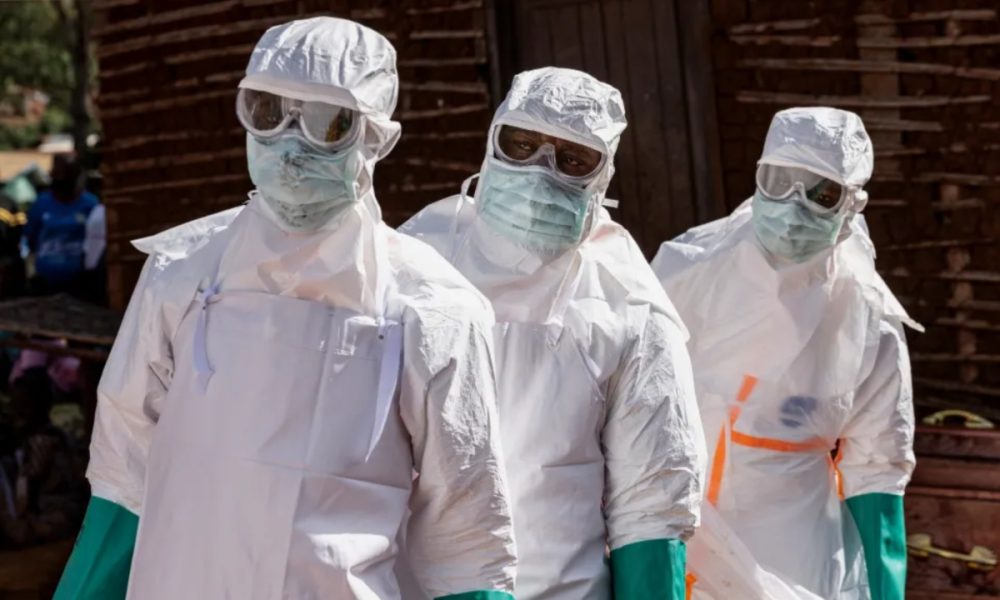
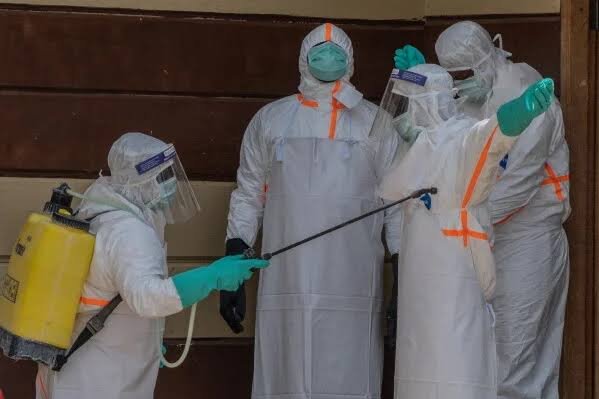
DR Congo – The Ebola outbreak in the Democratic Republic of the Congo (DRC) has expanded to 61 health zones across six provinces, with the World Health Organisation (WHO) reporting continued geographical spread and a rising number of cases.
The latest expansion includes Kayna Health Zone in North Kivu, according to the WHO’s latest outbreak situation update issued on Thursday.
The DRC had recorded 6,757 confirmed Ebola cases and 3,267 deaths as of September 7, representing a crude case fatality ratio of 48.3 per cent, the agency said.
The outbreak affects Bas-Uélé, Haut-Uélé, Ituri, North Kivu, South Kivu and Tshopo provinces.
The WHO said transmission patterns remain variable, with evidence of continued geographical expansion and sustained increases in cases in some affected health zones despite ongoing response efforts.
Delayed detection remains a major concern, according to the agency, as it increases the risk of transmission within households, communities and healthcare facilities.
Limited access to early treatment and difficulties in interrupting transmission are also complicating the response.
The WHO said strengthened surveillance, rapid response and early treatment would be critical to interrupting further transmission.
The latest development comes less than a month after the WHO described the DRC outbreak as the second-largest Ebola outbreak on record.
At that stage, 4,449 confirmed cases had been recorded across 53 health zones in five provinces.
The WHO also warned that the outbreak was spreading faster than previous Ebola outbreaks at the same stage and could potentially surpass the 2014–2016 West African Ebola outbreak, which remains the largest recorded Ebola outbreak.
No Licensed Vaccine for Bundibugyo Ebola
The outbreak is caused by the relatively rare Bundibugyo species of Ebola virus.
About the Author