
 Hope Ajayi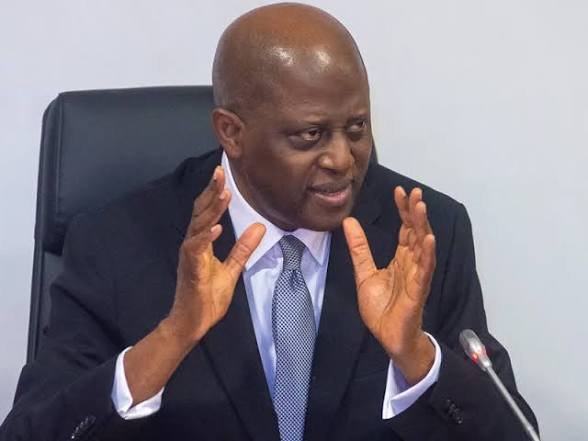
CBN Governor, Olayemi Cardoso
ABUJA, Nigeria – The Central Bank of Nigeria (CBN) is tightening enforcement against insider lending and risky offshore investments while courting Asian financial institutions to attract more long-term capital into Nigeria.
The twin priorities featured in high-level engagements led by CBN Governor Olayemi Cardoso in Singapore on Thursday, October 8, 2026, as Nigeria seeks to strengthen confidence in its financial system and deepen international investment ties.
The discussions involved the Monetary Authority of Singapore, the Global Finance and Technology Network (GFTN), and major Nigerian and international financial institutions.
Speaking at the Nigeria-Asia Financial Connectivity Dialogue hosted by J.P. Morgan, Cardoso said Nigeria’s economic reforms were designed to create the confidence required to attract foreign capital and encourage investors to keep their funds in the country.
He said foreign exchange reforms were aimed at improving transparency, eliminating market distortions and creating more predictable conditions for investors. “The real test of reform is not whether you can attract capital once; it is whether you create the confidence for capital to stay, return and grow,” Cardoso said.
Alongside the international investment drive, the CBN is stepping up regulatory scrutiny of banks to address insider lending and corporate governance weaknesses that could undermine the sector’s stability following its recapitalisation exercise.
CBN Director of Banking Supervision, Dr Olubukola Akinwunmi, said bank directors and major shareholders could lose their positions if persistent violations involving insider credit continued.
He said the regulator had directed banks to make full provisions for specified insider-related credit exposures over an 18-month period to strengthen their capacity to absorb potential losses.
Akinwunmi also clarified that the CBN was enforcing an existing provision under the Banks and Other Financial Institutions Act limiting banks’ investments in offshore subsidiaries to 10 per cent of shareholders’ funds.
About the Author


 Mirian Gom
 Korede Abdullah
 Oluwatobi Adu