Africa Faces Dangerous Blood Supply Gap as WHO Warns Millions Remain at Risk
 Oluwatobi Adu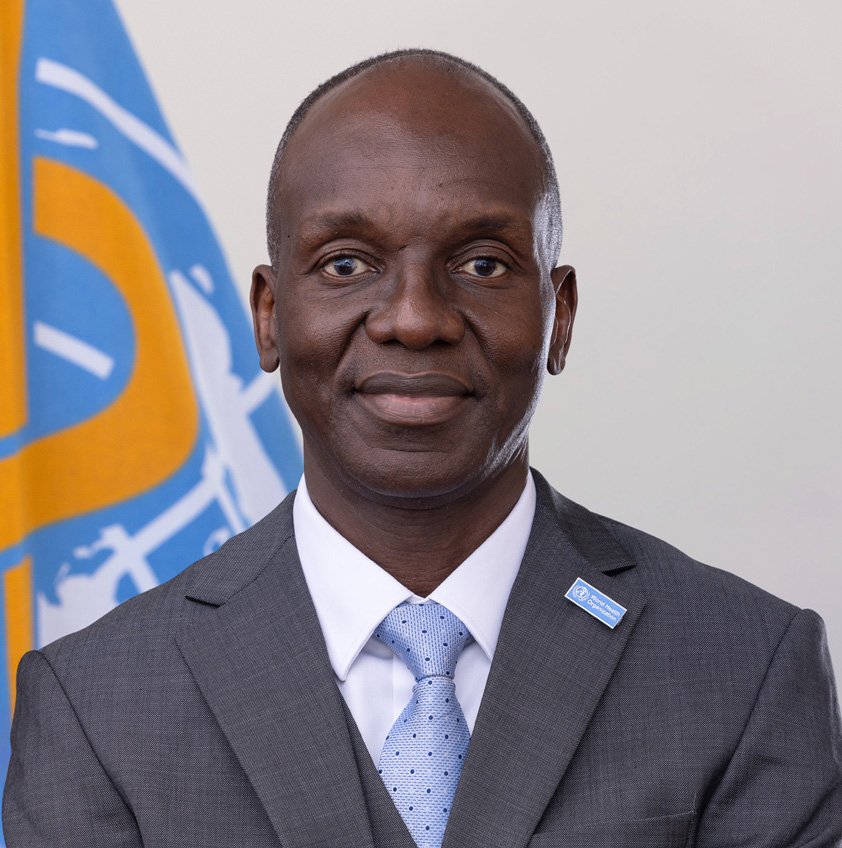
WHO Regional Director for Africa, Dr. Mohamed Janabi
ABUJA, Nigeria – The World Health Organization (WHO) has sounded the alarm over persistent blood shortages across Africa, warning that inadequate supplies and unequal access to safe blood continue to jeopardise millions of lives despite significant improvements in blood donation rates across the continent.
In a message marking the global event on Wednesday, the WHO Regional Director for Africa stressed that access to safe blood remains fundamental to resilient health systems and the achievement of universal health coverage.
According to the organisation, reliable blood supplies are critical for women experiencing childbirth complications, children battling severe malaria and anaemia, road crash victims, trauma patients and individuals living with chronic medical conditions requiring regular transfusions.
WHO noted that blood donations in the African region have risen considerably over the past two decades, increasing from approximately 2.2 million donations in the early 2000s to nearly seven million in 2023. It added that almost 70 per cent of donations now come from voluntary, unpaid donors, reflecting growing public awareness and stronger national blood service programmes.
However, the agency warned that demand for blood continues to outstrip supply across many countries.
“The need continues to outpace supply. On average, only about six donations are collected per 1,000 people in the African Region, which is far below what is required to meet basic health needs, and many countries still collect much less than this. This gap remains a major barrier to delivering equitable healthcare and responding effectively to emergencies.”
Under the 2026 campaign theme, “One Drop of Humanity. Give Blood. Save Lives,” the organisation urged eligible individuals to become regular donors, emphasising that a single blood donation can save multiple lives, strengthen communities and contribute to a healthier future across Africa.
About the Author

 Mirian Gom
 Korede Abdullah