Lagos Unveils Sweeping Electricity Reforms to End Chronic Blackouts
 Korede Abdullah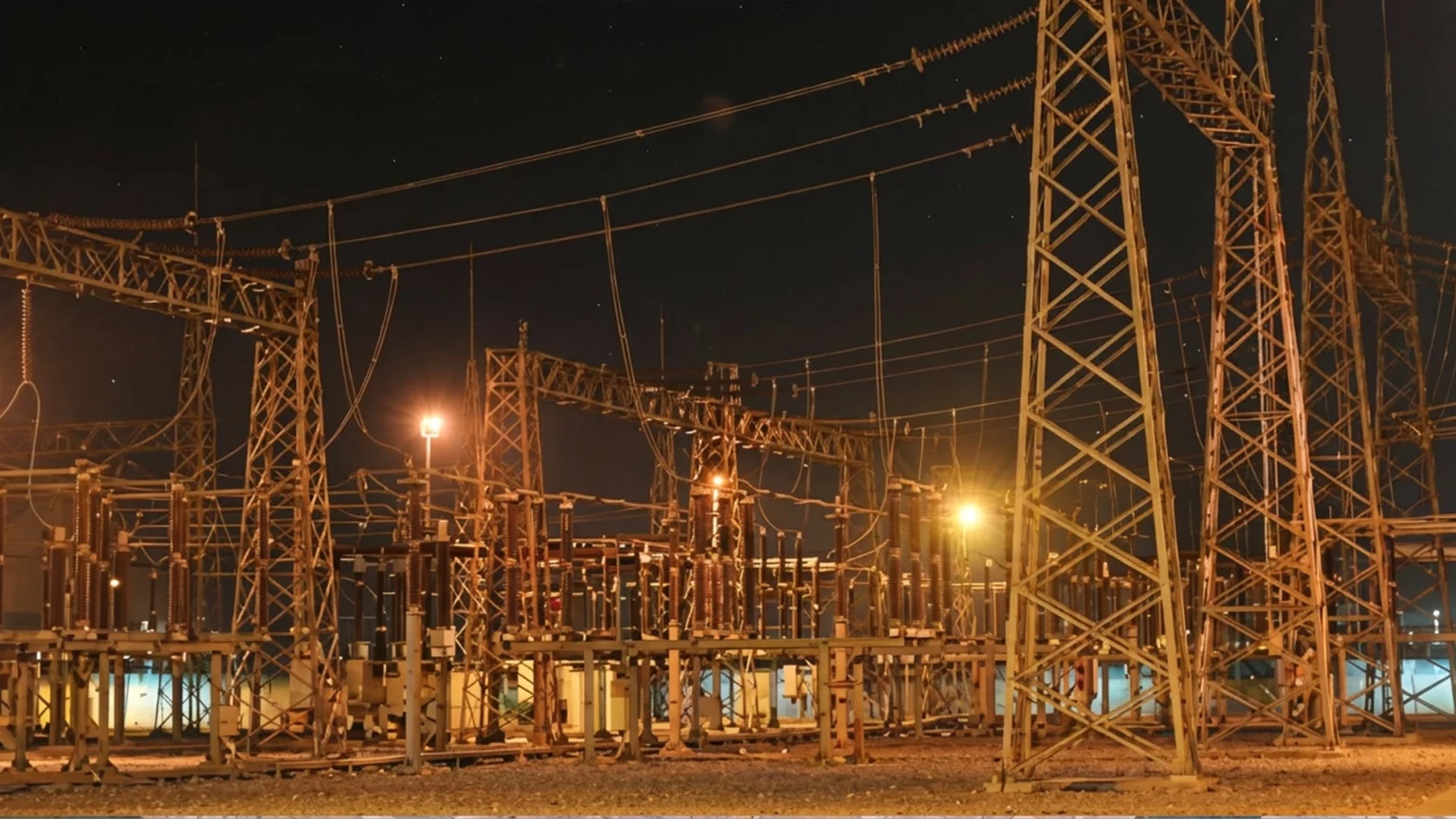
LAGOS, Nigeria – The Lagos State Government has launched a major electricity market reform agenda aimed at tackling decades of persistent blackouts and boosting power supply in Nigeria’s commercial capital.
Speaking at the maiden stakeholders’ engagement of the Lagos State Electricity Regulatory Commission in Lagos on Thursday, Commissioner for Energy and Mineral Resources, Biodun Ogunleye, says the reforms will transform electricity delivery and attract new investments into the sector.
Data presented at the event shows Lagos currently receives between 800 and 930 megawatts from the national grid despite an estimated electricity demand of 12,000 megawatts, leaving a massive supply deficit.
The reforms include plans to expand electricity wheeling capacity six-fold, deepen market competition, enforce full smart metering and introduce cost-reflective tariffs.
LASERC also announces plans to license 14 new operators expected to inject additional megawatts into the state’s electricity market.
“We are not going to do a model that now makes the government a competitor with you,” Ogunleye says. “We will allow you to compete among yourselves. And we’ll supervise those competitions.”
Chief Executive Officer of LASERC, Temitope George, says the transition will be implemented gradually through pilot projects and long-term reforms rather than instant 24-hour electricity promises.
According to her, the commission targets between 95 and 100 per cent grid availability while reducing technical and commercial losses to single digits.
Representatives of the Nigerian Electricity Regulatory Commission say cooperation between federal and state regulators remains critical to sustaining reforms.
Energy experts say Lagos’ ambitious reforms could become a model for subnational electricity markets across Nigeria if successfully implemented.
About the Author


 Mirian Gom
 Hope Ajayi