
Nigeria’s Reserves Slide $731m in April, Stir FX Stability Concerns
 Korede Abdullah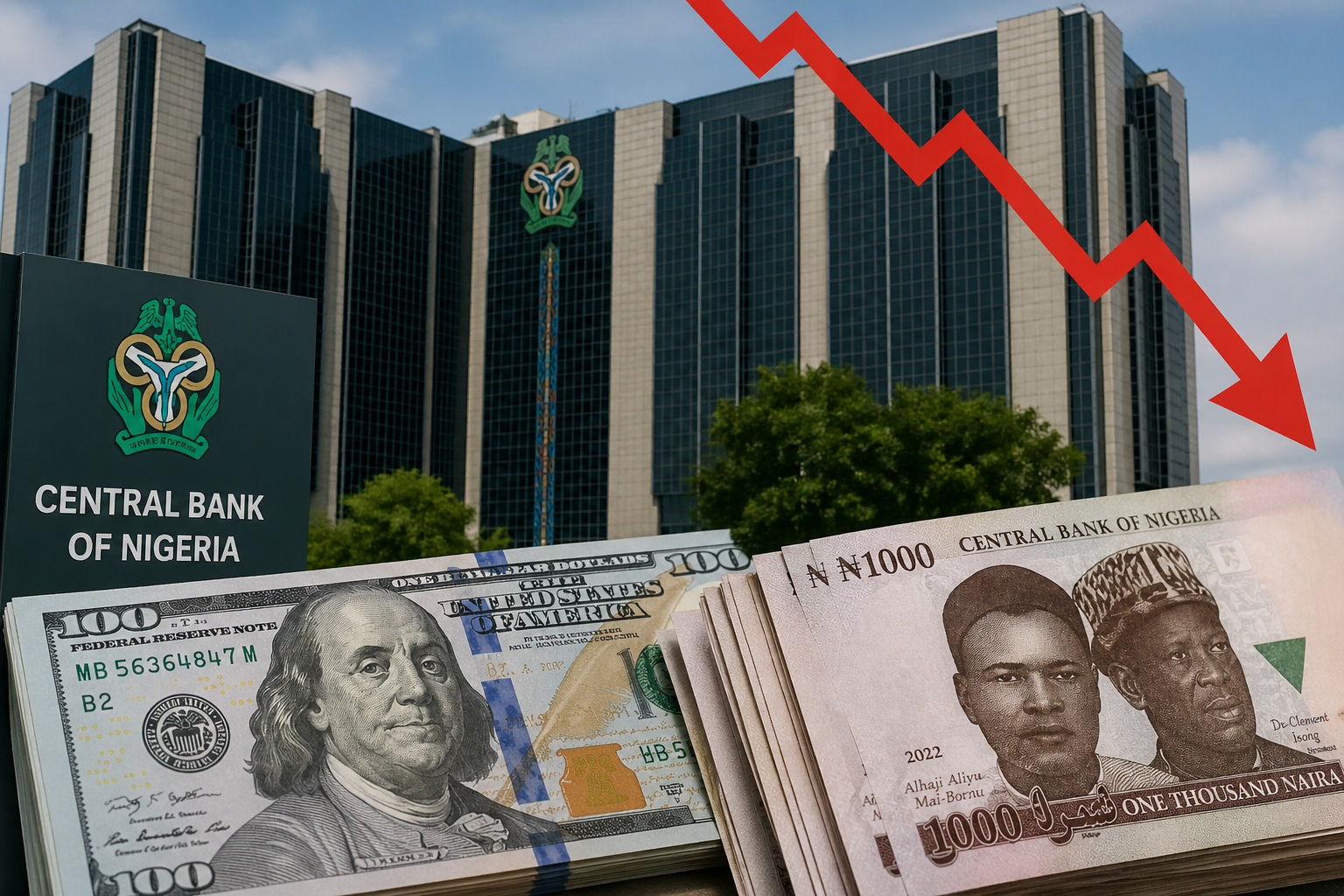
LAGOS, Nigeria – Nigeria’s external reserves fell by $731 million within the first three weeks of April 2026, intensifying concerns over sustained pressure on the country’s foreign exchange buffers and broader macroeconomic stability.
Data released by the Central Bank of Nigeria (CBN) shows reserves declined from $49.18 billion on April 1 to $48.45 billion as of April 23, marking an average weekly drop of about $233 million.
The latest figures on Monday extend a pattern of gradual reserve depletion, reflecting ongoing efforts by monetary authorities to stabilise the naira, manage liquidity, and meet external obligations amid global and domestic pressures.
CBN Governor Olayemi Cardoso downplayed the decline, describing it as part of routine policy adjustments. He maintained that fluctuations in reserves are expected within the framework of ongoing monetary reforms.
However, financial analysts warn that continued drawdowns could weaken Nigeria’s capacity to defend its currency and meet import demands, particularly in a volatile global market environment.
They also caution that prolonged pressure on reserves may heighten exchange rate instability, accelerate inflation, and erode investor confidence—factors that could undermine economic recovery efforts.
Market observers say the trajectory of reserves in the coming months will depend on key variables, including oil revenue inflows, foreign investment trends, and policy consistency. Nigeria’s Reserves Slide $731m in April, Stir FX Stability Concerns
With Nigeria’s economy heavily reliant on external earnings, experts stress the need for stronger diversification strategies and improved forex inflows to cushion future shocks.
About the Author


 Oluwafunbi Bello
 Abah Felicity