 Mirian Gom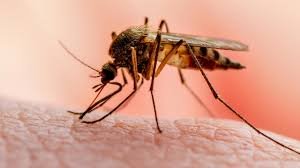
JOS, Nigeria – Plateau State has recorded one of the sharpest declines in malaria cases in Nigeria, with prevalence dropping by 87 per cent in just four years, health authorities said.
The State Commissioner for Health, Nicholas Baamlong, disclosed on Saturday that malaria prevalence fell from 18.8 per cent in 2021 to 2.8 per cent in 2025, according to the Nigeria Malaria Indicator Survey.
“This represents an extraordinary reduction, the highest recorded among all states,” Baamlong said at the 2026 World Malaria Day symposium organised by Malaria Consortium in collaboration with the State Malaria Elimination Programme.
He attributed the gains to aggressive prevention strategies, including 100 per cent coverage of Seasonal Malaria Chemoprevention (SMC), which reached over one million children aged three to 59 months across more than 12,000 communities.
The intervention delivered monthly during peak transmission between June and October, significantly reduced malaria-related fever cases in health facilities, he said.
Baamlong added that over 400 health facilities are now supported with free testing and treatment commodities, particularly for children under five and pregnant women, contributing to declining child and maternal mortality rates.
Programme Manager Kizito Ndak said nearly 8,000 community drug distributors were deployed statewide to administer preventive treatment door-to-door.
“No child under five should die of malaria,” Ndak said, noting that Plateau ranked first among all SMC-implementing states.
Despite the progress, officials warned that sustaining gains will require continued investment, community engagement, and improved surveillance systems.
They called for increased domestic financing, expanded preventive therapies and consistent use of insecticide-treated nets to move the state closer to zero malaria status.
About the Author


 Otamere Gladness
 Korede Abdullah