
 Oluwafunbi Bello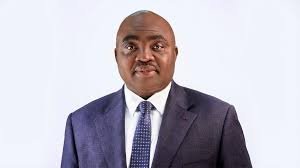
Ewalefoh
ABUJA, Nigeria – Nigeria intensifies efforts to attract private investment to bridge a projected $2.3tn infrastructure gap, as officials warn that public funding alone cannot meet the country’s long-term needs.
Director-General of the Infrastructure Concession Regulatory Commission, Dr Jobson Ewalefoh, on Thursday says Nigeria requires about $100bn annually over the next 23 years to meet infrastructure demands, stressing that government budgets remain insufficient.
“Nigeria needs about $100bn annually… to close its infrastructure gap,” Ewalefoh says on the sidelines of global financing talks in Washington, highlighting urgency around alternative funding models.
He positions Public-Private Partnerships (PPPs) at the centre of Nigeria’s strategy, noting that nearly 70 per cent of projected funding is expected from private investors. According to him, the focus is shifting towards developing “bankable projects” capable of attracting both domestic and foreign capital.
Ewalefoh adds that global discussions emphasise tailoring PPP frameworks to local realities, including political risks, macroeconomic instability and limited long-term financing in developing economies.
“PPP models must reflect the investment climate and risk environment,” he says.
Nigeria is also strengthening legal and regulatory systems to ensure investor protection and contract enforcement, while leveraging its large population and reform agenda to boost investor confidence.
Energy and transport sectors account for the largest funding needs—estimated at $759bn and $595bn respectively—alongside critical investments in ICT, agriculture, healthcare and education.
Ewalefoh maintains that PPPs offer a sustainable pathway to accelerate infrastructure delivery while easing pressure on public finances.
“We are confident that ongoing engagements will unlock investment flows,” he says.
About the Author


 Mirian Gom
 Korede Abdullah
 Oluwatobi Adu