
UNICEF, EU Equip Journalists to Fight Severe Malnutrition in Northeast Nigeria
 Hussaini Ibrahim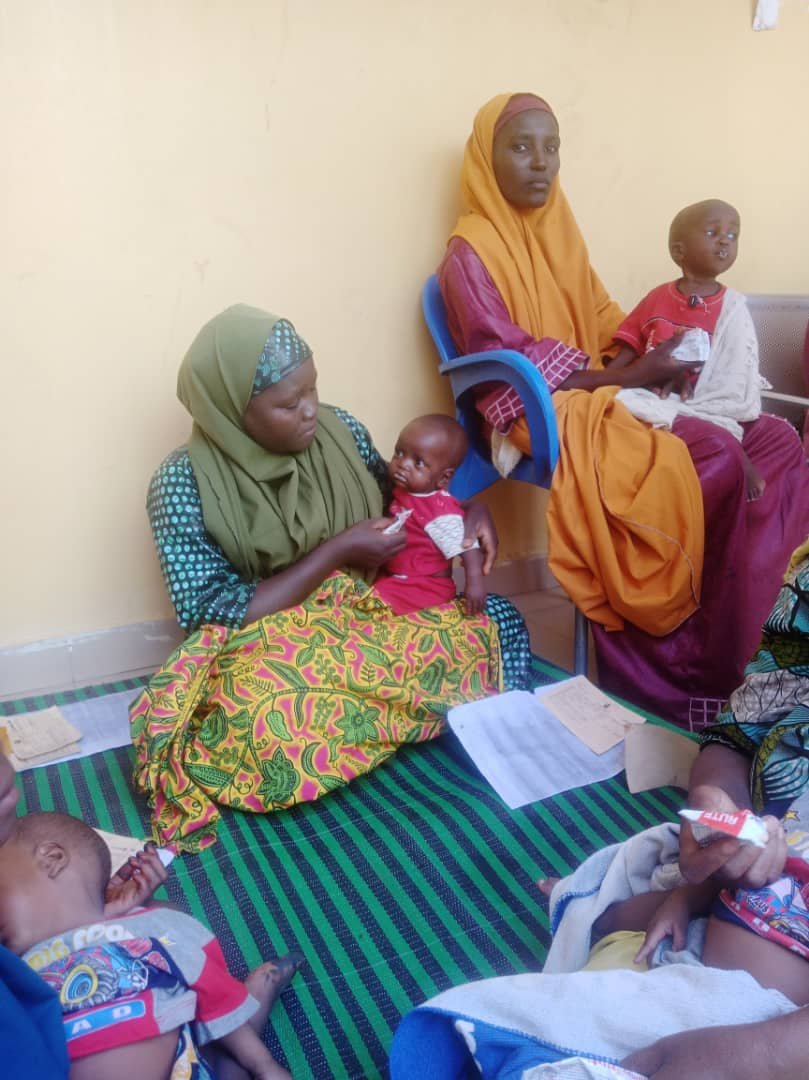
DAMATURU, Nigeria – Journalists from Borno, Adamawa, and Yobe states have been trained on reporting severe malnutrition in children, in a one-day media dialogue organised by UNICEF in collaboration with the European Union-funded nutrition programme.
The event, held on Monday in Yobe State, aimed to enhance journalists’ understanding of child malnutrition and equip them with tools to cover sensitive health issues responsibly.
Journalists from the three northeastern states were taken on a field tour of key health facilities to observe interventions on malnutrition. At Gwange Primary Health Care Centre, health workers demonstrated the use of Mid-Upper Arm Circumference (MUAC) tapes to screen children with acute malnutrition.
Speaking via Zoom during the dialogue, UNICEF Nutrition Manager Joseph Senesie highlighted the seasonal nature of malnutrition, noting that the lean period from May to September usually sees an increase in acute cases.
He, however, expressed optimism that 2026 would see no rise above previous levels, crediting EU support for enabling treatment for over 40,000 children in past intervention cycles.
Hadiza Maina Adamu provided an overview of Yobe State’s nutrition situation, explaining that the state is currently in Integrated Food Security Phase Classification (IPC) Phase 3, indicating serious food insecurity.
She disclosed that Global Acute Malnutrition (GAM) stands at 10.8% according to 2025 surveillance data, a decline from 14% in previous years, but still at a critical level.
Since 2010, she said, treatment services have expanded to 306 Outpatient Therapeutic Programme (OTP) sites, stabilization centres, and 120 Targeted Supplementary Feeding Programme (TSFP) sites across Yobe.
Dr. Babagana Kundi Machina, Executive Secretary of the Yobe State Primary Health Care Board, stressed the importance of EU grants in ensuring an uninterrupted supply of therapeutic food and milk, which he said is crucial for sustaining community-based screening and treatment programmes.
About the Author

 Mirian Gom

 Korede Abdullah