


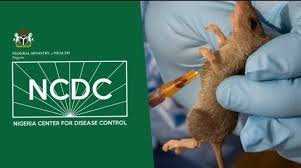
ABUJA, Nigeria – Nigeria’s disease surveillance system struggles to respond swiftly to Lassa fever due to high transport costs, inconsistent reporting and weak data validation, the Nigeria Centre for Disease Control and Prevention warns.
Speaking in Abuja on Monday, NCDC Director-General Jide Idris says moving samples from remote communities to laboratories remains expensive and slow.
“Transporting specimens from local areas to testing centres is costly, and fuel and logistics challenges affect turnaround time,” Idris says.
He notes that while zonal laboratories improve testing speed, performance varies widely across states. “Some states are doing better than others. We track detection, 24-hour reporting and 48-hour response under the 7-1-7 benchmark,” he adds.
Idris warns that outbreak control depends largely on state coordination. “If states do not coordinate properly, there will be chaos. The system must function,” he says.
He raises concern over parallel reporting, citing instances where hospitals confirm infections without notifying state authorities. “That creates gaps in surveillance,” he says.
According to Idris, conflicting or unvalidated figures distort public health planning. “We rely on validated data. Otherwise, it causes confusion,” he explains.
He adds that poor internet connectivity and limited funding in some facilities continue to delay reporting, weakening response efforts.
“Without accurate data, response is weakened. Response cannot happen without state-level support,” Idris says.




Join the conversation