Borrowed Energy, Silent Damage: How Nigeria’s After-Work Energy Drink Habit Is Undermining Health
 Oluwatobi Adu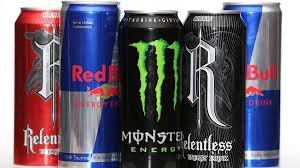
ABUJA, Nigeria – As dusk settles over Nigeria’s cities, a familiar ritual unfolds. At motor parks, markets and roadside shops, cans and bottles of brightly branded energy drinks hiss open. For thousands of workers, this is the moment to reclaim strength after long, grinding hours under the sun. The promise is instant: renewed alertness, sharper focus, a second wind to get home or push through one more task.
But beneath the buzz lies a quieter story — one of disrupted sleep, strained hearts and growing dependence — that health experts say could become Nigeria’s next preventable public health burden.
In this report, Oluwatobi Adu, explores the after-work energy drink culture through the voices of workers who rely on it, traders who profit from it, and public health experts who warn that what feels like relief today may translate into illness tomorrow.
A Habit Born of Fatigue
Nigeria’s informal economy runs on stamina. Transport operators, traders, drivers and artisans often work from dawn until late evening, with few breaks and little structural support for rest. In this reality, energy drinks have slipped seamlessly into daily life.
At Jabi Park in Abuja, transport operator Prince Bassey James says he drinks energy beverages twice a day to cope with exhaustion from standing and moving for hours.

“I take it to stay active,” he said. “I have not noticed any problem yet, but if I know the implications or side effects, I will stop immediately.”
Nearby, motorist Bello Garji described a similar routine — one can after work, every day.
“I take it every day, but I think I can do without it if I stop,” he said, insisting he is not addicted.
For some, however, the warning signs have already appeared. At Utako Market, shop owner Mr. Dairo said he quit energy drinks years ago.
“I don stop long ago,” he said. “The thing no good. Anytime I take it, I go dey feel leg pain.”
Others admit that stimulants have become tools for survival rather than choice. Mr. Martins, a worker with long and irregular shifts, said he combines energy drinks with coffee simply to stay awake.
The demand is unmistakable. Retailers at Utako and Jabi Park told Africa Health Report that energy drinks sell daily and in high volumes, often requiring weekly restocking.
“People come and buy every day,” said Mr. Abubakar, a vendor. “The sun is too much. They need energy to work and cool off.”
What the Body Pays for the Buzz
To understand the hidden costs of this routine, Africa Health Report spoke with Musa Abdullahi Sufi, a public health analyst, who warned that frequent energy drink consumption — especially after work and into the evening — carries layered health risks.
From a cardiovascular standpoint, he said, the danger is immediate and cumulative.
“Energy drinks place significant strain on the heart,” Mr. Musa explained. “They raise heart rate and blood pressure, increase palpitations and irregular heartbeat, and in vulnerable individuals, more serious cardiac events can happen.”
Sleep disruption, he stressed, is one of the most underestimated consequences. High caffeine intake late in the day interferes with the body’s natural sleep cycle.
“People end up with poor quality sleep, insomnia and chronic fatigue,” he said — a vicious cycle that pushes them back to stimulants the next day.
Over time, caffeine dependence sets in. According to Mr. Musa, the body builds tolerance, demanding higher doses for the same effect, while withdrawal brings headaches, irritability and low energy.
Mental health is also affected. Regular users, he said, may experience increased anxiety, restlessness, mood swings and reduced stress tolerance.
Then there is sugar — the often overlooked ingredient. Many energy drinks contain sugar levels close to, or exceeding, daily recommended limits in a single can.
“Excessive sugar intake contributes to weight gain, insulin resistance and increases the risk of type 2 diabetes over time,” Mr. Musa warned.
Summing up the long-term picture, he added:
“Caffeine stimulates the nervous system, causing sustained increases in blood pressure and heart rate. You also get blood sugar spikes followed by crashes that stress the cardiovascular and metabolic systems.”
Instead of restoring energy, he said, the drinks often leave users more depleted.
A Global Warning, a Local Reality
Globally, health authorities are increasingly alarmed. The World Health Organization (WHO) has repeatedly warned that high consumption of free sugars fuels obesity, diabetes and dental disease. When sugar is combined with high caffeine, the risks extend to heart rhythm disturbances, hypertension and chronic sleep disruption.
WHO Director-General Dr Tedros Adhanom Ghebreyesus has described taxation as a powerful deterrent.
“Health taxes are one of the strongest tools we have for promoting health and preventing disease,” he said. “By increasing taxes on products like tobacco, sugary drinks and alcohol, governments can reduce harmful consumption and unlock funds for vital health services.”
According to WHO data, at least 116 countries now tax sugary drinks. While 97 per cent of countries tax energy drinks, this figure has not changed since 2023 — suggesting policy momentum has stalled, even as consumption grows in many low- and middle-income countries.
Nigeria, where regulation and public awareness remain limited, faces a particularly delicate challenge: balancing economic realities with long-term health protection.
Beyond Stimulants: Healthier Ways to Stay Alert
Mr. Musa argues that the solution lies not in demonising workers’ choices, but in addressing the roots of fatigue.
“When you want to address fatigue, you have to prioritise consistent sleep schedules — sleeping on time, about eight hours, and quality sleep,” he said.
Nutrition, he added, plays a central role.
“Eat balanced meals with protein, whole grains, fruits and vegetables to maintain steady energy.”
Hydration is another simple but powerful fix. Dehydration, he noted, is often mistaken for tiredness. For caffeine users, he advised limiting intake to earlier in the day and choosing lower-caffeine options such as tea.
For those already dependent on energy drinks, he recommended gradual reduction to avoid withdrawal symptoms, alongside healthier boosters such as light physical activity and nutritious snacks.
“Energy drinks may provide short-term alertness,” he said, “but frequent after-work use undermines health, sleep and long-term productivity. Sustainable energy comes from good sleep, nutrition, hydration and balanced caffeine use — not stimulants.”
Drivers, Long Hours and Hidden Dangers
The risks are particularly acute for long-distance drivers and heavy-duty workers. Truck drivers covering routes like Lagos to Kano often drive overnight, relying on stimulants to stay awake.
According to Mr. Musa, excessive energy drink consumption in these settings can worsen stress, impair judgement and increase accident risk.
“Energy drinks add more stress to the body,” he said. “Natural rest, adequate sleep, hydration and light meals help the body recover safely.”
He called for targeted education in motor parks and workplaces, using short videos and direct engagement. Simple practices — regular water intake, light meals, safe traditional herbal teas and medical consultation when fatigue persists — could save lives.
“Some use local chew sticks or traditional plants that are not harmful to stay alert,” he noted. “These are alternatives instead of excessive consumption of energy drinks.”
A Preventable Crisis
Public health advocates are urging government agencies, NGOs and civil society groups to act now — before dependence hardens into disease. Education campaigns, workplace sensitisation and culturally familiar alternatives, they say, can protect workers without undermining productivity.
The after-work energy drink culture offers a tempting shortcut in a country where rest is a luxury. But as Nigeria’s cities grow busier and workdays longer, the true cost of borrowed energy is becoming harder to ignore.
Without intervention, the nation risks trading today’s alertness for tomorrow’s illness. With awareness, policy action and healthier habits, that trade-off does not have to be inevitable.
About the Author


 Mirian Gom