Power Bills or Public Services? Nigerians Speak on Electricity Subsidy Row
 Hussaini Ibrahim
(By Hussaini Ibrahim, Korede Abdullah, Oluwafunbi Bello, Edino Cornelius, Oluwatobi Adu and Otamere Gladness)
As Nigeria weighs the future of its electricity subsidy, voices from the streets reveal a country torn between rising living costs and the promise of better public services.
For decades, the Federal Government has subsidised electricity tariffs to soften the burden on households and businesses. But with an estimated ₦1.8 trillion spent annually, authorities now argue the policy is fiscally unsustainable and that savings should be redirected to healthcare, education and social services. The proposal to shift subsidy responsibility to state governments has ignited nationwide debate.
Africa Health Report correspondents spoke to residents in Kano, Lagos and Abuja, capturing everyday reactions to a policy decision that directly affects livelihoods.
Kano: “We still suffer, subsidy or not”
In Kano, small business owners say the subsidy has failed to deliver what matters most: reliable power.
Umar Saleh, ICT shop operator, Hotoro CBN Quarters, Kano.
“I run an ICT shop, and electricity is our lifeline,” Umar Saleh said. “But even with subsidies, we still suffer. Bills are high, power is unstable, and I buy fuel every week. I don’t see the benefit.”
He supports subsidy removal only if savings are transparently invested. “If ₦1.8 trillion is spent yearly without results, then let it go to hospitals and schools.”
Others fear deeper hardship. Sagiru Koki, a barber in Gyadi-Gyadi, warned that higher tariffs would squeeze families already battling inflation. “Electricity affects survival. Remove the subsidy, and many small businesses may not cope,” he said.
Lagos: “Fix supply first”
In Lagos, Africa’s largest city, frustration centres on erratic supply rather than tariff levels.
Tunde Adegbola, barber, Bariga, Lagos.
“Power is still unstable. I run my generator almost daily,” said Tunde Adegbola. “If they remove the subsidy, my costs rise again. The government should fix supply first.”
Food vendor Amaka Samuel in Yaba echoed this view. “Stable electricity matters more than cheap tariffs,” she said, adding that unpredictable billing affects her freezers and cooking equipment.
In Agege, tailor Sadiq Hassan called for transparency. “Before removing subsidies, improve billing and supply. Small businesses are already under pressure.”
Abuja: Conditional support, lingering distrust
In the capital, opinions are cautious and conditional.
Gabriel Aduragbemi, construction professional, Dawaki, Abuja.

“Subsidy should matter, but I’m not feeling it,” Gabriel Aduragbemi said, noting he sometimes pays ₦1,000 for just a few units. He supports removal only if funds are not mismanaged and believes wealthier states could cushion residents.
A.A. Sadiq, Assistant Legislative Aide, Asokoro, Abuja.

“I’d rather have a consistent eight hours of power than be promised 12 and get six,” said A.A. Sadiq, who opposes shifting subsidies to states, citing governance capacity concerns.
At Garki International Market, skepticism runs deep.
Prince Omar Emmanuel, trader, Garki Market, Abuja.
“If I recharge ₦5,000 and get 21 units, where is the subsidy?” Prince Omar asked, saying he doubts savings would reach public services.
Others, like trader Mrs Yanya, are pragmatic.
Mrs Yanya, trader, Garki Market.
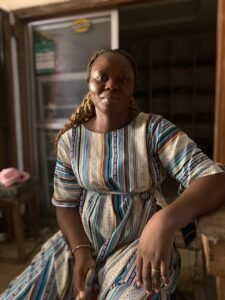
“If there is light, we will pay for it,” she said.
A divided nation
While the government insists subsidy savings could strengthen healthcare and education, Nigerians remain divided. Across regions, one message is consistent: transparency, accountability and reliable electricity must come before any policy shift.
As the debate continues, the question on the streets remains unresolved — should Nigerians pay more for power now, or trust that sacrifice will deliver better public services tomorrow?
About the Author

 Hope Ajayi
 Korede Abdullah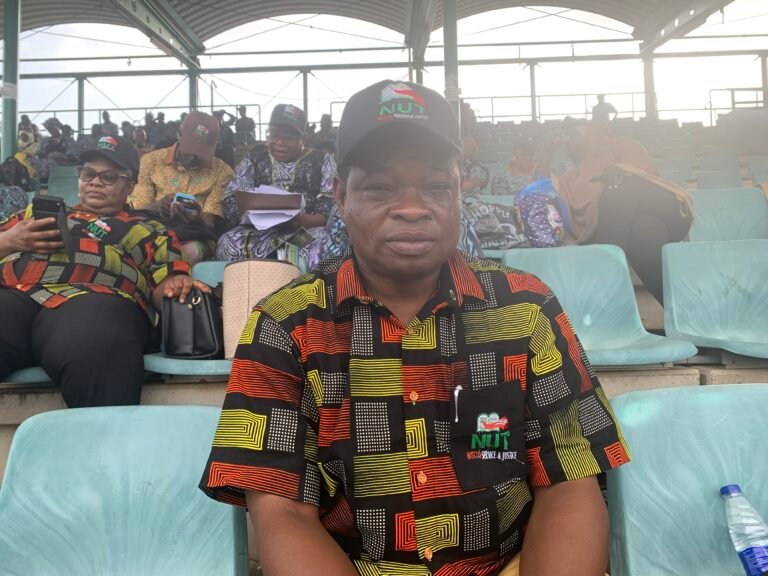
 Oluwatobi Adu