 Mirian Gom
EDITOR’S NOTE
Nigeria’s health and development landscape this week reveals a country caught between progress and peril. While new investments in healthcare, water systems, and disease prevention offer hope, deeper structural failures — from untreated mental illness and food safety lapses to recurring infectious disease threats — continue to cost lives.
This week’s AHR Top 10 prioritises stories with the greatest human impact, policy relevance, and long-term development consequences, spotlighting the issues Nigerians cannot afford to ignore.
🔟 Top 10 Stories This Week

🔟 Jigawa Funds Wheat Research to Boost Food Security
Jigawa State’s investment in wheat research signals a strategic push toward food security and climate adaptation. While vital for long-term nutrition and economic resilience, the initiative’s health impact remains indirect and gradual, placing it at the base of this week’s ranking…

9️⃣ Gbajabiamila’s Mother Launches ₦2.5bn Nursing Education Development Fund
The ₦2.5bn endowment for nursing education addresses Nigeria’s critical health workforce gap. Its potential to strengthen care quality is significant, though benefits will materialise over the medium to long term through training pipelines…
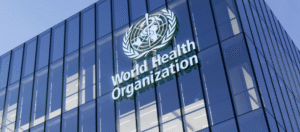
8️⃣ New Global Customs Codes Target Faster Vaccine Delivery – WHO
The World Health Organization has introduced new global customs codes aimed at speeding up vaccine clearance during health emergencies. The move addresses one of the most persistent bottlenecks in outbreak response — border delays that slow life-saving supplies…
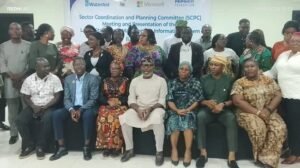
7️⃣ Lagos Launches Digital Platform to Overhaul Water, Sanitation Services
Lagos’ new digital WASH platform aims to improve water access, sanitation monitoring, and service accountability. Its success could enhance urban public health outcomes, but implementation and user adoption will be key determinants…

6️⃣SFH Reaches 4.1m Children in Nationwide Malaria Drive
The Society for Family Health’s malaria campaign highlights continued progress against one of Nigeria’s deadliest childhood diseases. While impactful, the story reinforces ongoing efforts rather than marking a systemic shift…
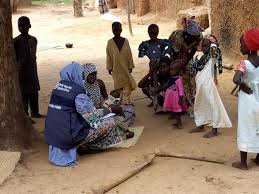
5️⃣Kano Intensifies Surveillance After Suspected Diphtheria Cases Emerge
Heightened surveillance in Kano following suspected diphtheria cases underscores persistent immunisation gaps. The proactive response reduces outbreak risks, but the episode exposes underlying weaknesses in routine vaccine coverage…
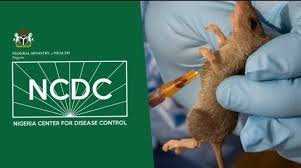
4️⃣Nigeria Records Nine Lassa Fever Deaths in Early 2026
Early-year Lassa fever deaths signal a recurring seasonal threat and the need for sustained preparedness. The fatalities raise concerns about surveillance, early detection, and infection control capacity nationwide…

3️⃣Nestlé Delays Alert After Detecting Toxin in Baby Formula
The delayed disclosure of toxins in baby formula raises serious food safety and regulatory oversight questions. Given the vulnerability of infants, the case carries high public health and consumer protection implications…
2️⃣After the Sirens Fall Silent: Why Nigeria Cannot Afford to Blink on Mpox
As emergency alerts fade, this analysis warns against complacency in Mpox preparedness. It highlights the risks of weakened surveillance and funding withdrawal once global attention shifts — a recurring pattern in outbreak response…

1️⃣ Seven Lives, One Silence: Inside Kano’s Family Killing that Exposed Nigeria’s Deadly Blind Spot
This deeply troubling investigation exposes how untreated mental health crises can escalate into fatal outcomes. The story confronts stigma, silence, and institutional gaps in Nigeria’s mental health system, making it one of the week’s most consequential pieces…
About the Author


 Oluwatobi Adu