


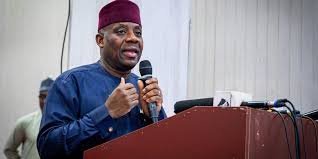
ABUJA, Nigeria – Nigeria abolishes the long-standing divide between Higher National Diploma (HND) holders and university degree graduates, granting polytechnics full authority to award bachelor’s degrees in a sweeping education reform aimed at boosting skills and employability.
The Minister of Education, Dr Maruf Alausa, announced the policy on Wednesday at a national retreat in Abuja attended by education commissioners, governing council chairmen, rectors and senior administrators. The decision ends decades of structural discrimination that has limited career progression for polytechnic graduates in public service and private employment.
“This reform formally recognises the value of practical, industry-driven training delivered by our polytechnics,” Alausa says. “Nigeria can no longer afford an education system that sidelines skills, innovation and technical competence.”
The policy aligns with President Bola Ahmed Tinubu’s Renewed Hope Agenda, which prioritises workforce readiness, industrial productivity and youth employment through strengthened Technical and Vocational Education and Training (TVET).
Education analysts say the move repositions polytechnics as engines of economic growth, with graduates better equipped for manufacturing, agriculture, construction and emerging technologies. By granting degree-awarding status, the government expects stronger industry partnerships, improved funding flows and renewed public confidence in technical education.
Alausa assures stakeholders that quality assurance mechanisms will guide the transition. “Degree status does not mean lowered standards,” he says. “Regulation, accreditation and global best practices remain non-negotiable.”
Rectors are urged to embrace transparency, entrepreneurship and fiscal discipline, while the Federal Government pledges infrastructure upgrades and policy backing to support implementation.
The reform marks one of Nigeria’s most consequential education policy shifts in decades, with officials describing it as a decisive step towards closing the skills gap and modernising the nation’s labour force.



Join the conversation