


ABUJA, Nigeria – The World Health Organisation on Tuesday urged governments to improve the nutritional quality of food served in schools, warning that childhood obesity is rising globally while undernutrition persists.
In new guidelines on healthy school food environments, WHO called for a “whole-school approach” to ensure food and drinks available on school premises support healthy diets.
About 188 million school-aged children and adolescents — nearly one in 10 — were living with obesity in 2025, surpassing the number who are underweight for the first time, WHO said.
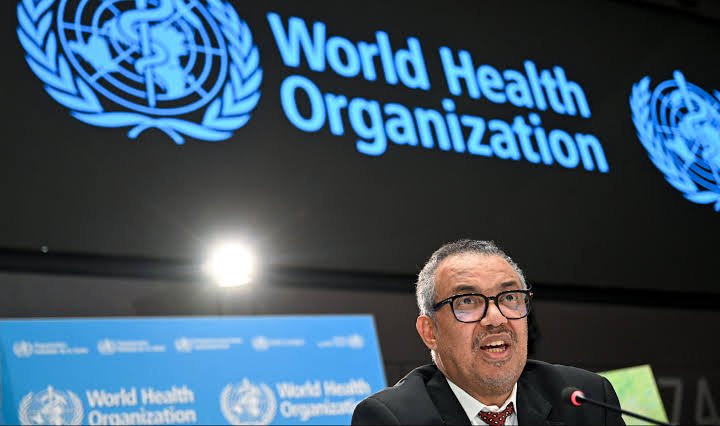
“The food children eat at school has a profound impact on learning and long-term health,” WHO Director-General Tedros Adhanom Ghebreyesus said.
An estimated 466 million children worldwide receive school meals, but data on the nutritional quality of those meals remains limited, WHO said.
The guidelines recommend mandatory nutrition standards, limits on foods high in sugar, salt and unhealthy fats, and behavioural “nudging” measures such as food placement and pricing.
WHO data shows 104 countries have school food policies, but only 48 restrict marketing of unhealthy foods to children.
Policies alone are insufficient without monitoring and enforcement, Ghebreyesus said, adding that WHO would support countries through technical assistance and knowledge-sharing.




Join the conversation