Nigeria Builds National Database to Regulate Traditional Medicine Practitioners
 Mirian Gom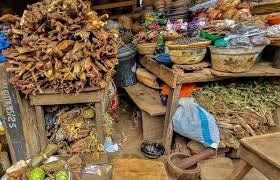
ABUJA, Nigeria – Nigeria takes a decisive step toward regulating traditional healthcare as the Nigerian Natural Medicine Development Agency (NNMDA) begins building a comprehensive national database of traditional medicine practitioners.
The initiative aims to standardise the sector, improve credibility and align Nigeria’s traditional medicine ecosystem with global best practices, according to the agency’s Director-General, Prof. Martins Emeje.
Speaking in Abuja, Emeje says the database project gathers momentum following his appointment as Co-Chair of the World Health Organisation’s Strategic and Technical Advisory Group on Traditional, Complementary and Integrative Medicine (STAG-TM) in December 2025.
“Traditional medicine remains the most utilised form of healthcare in Nigeria and globally, yet it is poorly organised and underfunded,” Emeje says.
He notes that about 80 per cent of Nigerians — more than 160 million people — rely on traditional medicine, particularly in rural areas with limited access to conventional healthcare facilities.
“Unlike pharmacists, traditional medicine practitioners have no unified identity or traceable system. We are correcting that gap,” he says.
He explains that the agency has already launched a digital registry capturing practitioners’ identities, locations, practices and products.
“After registration, we verify the clinic, the services provided and the medicines available before issuing a unique identification number,” he says.
The project targets practitioners across Nigeria’s 774 local government areas, with a successful pilot scheme completed in Iseyin Local Government Area of Oyo State.
Emeje says the pilot model will be presented to the National Assembly to secure funding for nationwide rollout.
Despite widespread use, Emeje laments that global funding for traditional medicine research remains below one per cent, describing the imbalance as “unsustainable”.
“Our goal is not to replace traditional knowledge but to protect, document and strengthen it,” he says.
About the Author


 Oluwatobi Adu
 Korede Abdullah