 Oluwatobi Adu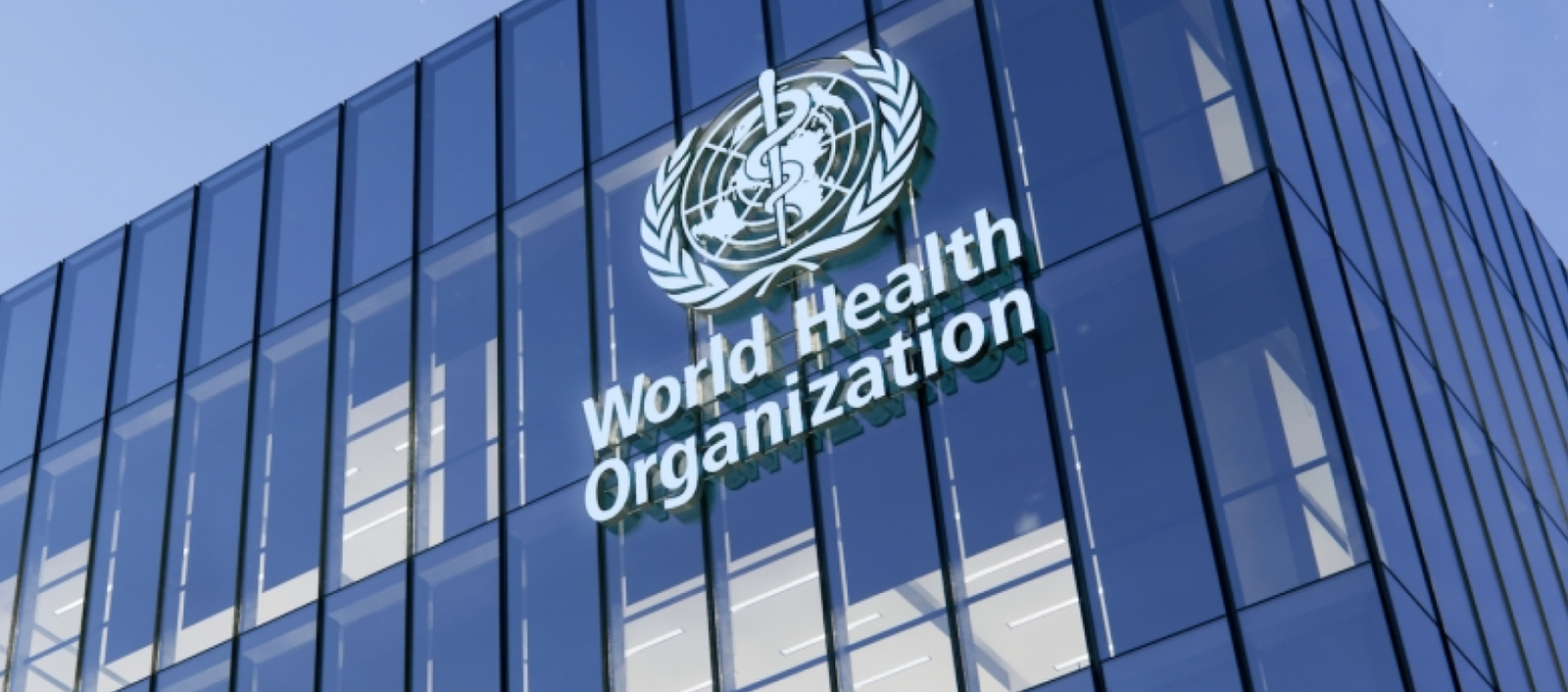
ABUJA, Nigeria – The World Health Organisation, (WHO) convenes ministers, scientists and Indigenous leaders from more than 100 countries to strengthen evidence, regulation and innovation in traditional medicine, as part of a global push towards universal health coverage.
The Second Global Summit on Traditional Medicine opens in New Delhi, jointly organised by WHO and the Government of India, running through December 19. The meeting advances the WHO Global Traditional Medicine Strategy 2025–2034, focusing on science, regulation, integration and community engagement.
Traditional medicine remains a primary source of care for millions worldwide. WHO says nearly 90 per cent of its Member States report that between 40 and 90 per cent of their populations use traditional medicine. “WHO is committed to uniting the wisdom of millennia with the power of modern science,” says Director-General Dr Tedros Adhanom Ghebreyesus. “By harnessing innovation, from AI to genomics, we can unlock safer and more sustainable health solutions.”
WHO links integration to closing healthcare gaps, noting that 4.6 billion people lack access to essential services and over two billion face financial hardship obtaining care. Evidence shows traditional medicine can improve prevention, cost efficiency and responsible antibiotic use.
Chief Scientist Dr Sylvie Briand stresses the need for equal scientific rigour. “We need to apply the same scientific rigour to biomedicine and traditional medicines, while respecting biodiversity and cultural specificities,” she says.
WHO launches the Traditional Medicine Global Library, offering more than 1.6 million scientific records, with equitable access for lower-income countries. “Advancing traditional medicine is an evidence-based, ethical and environmental imperative,” says Dr Shyama Kuruvilla of WHO’s Global Traditional Medicine Centre.
About the Author

 Korede Abdullah