 Oluwatobi Adu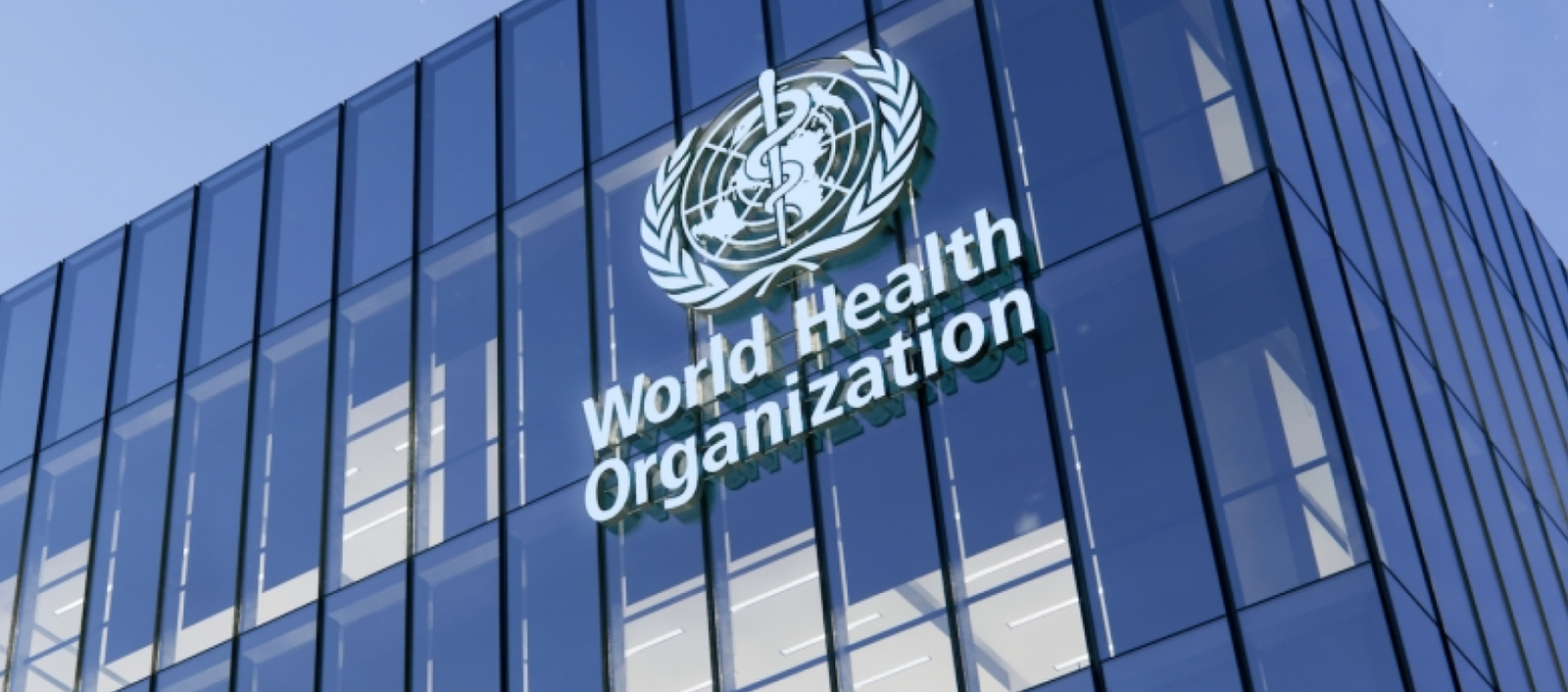
ABUJA, Nigeria – The World Health Organisation, (WHO) has unveiled a new guide designed to help countries strengthen the accuracy of suicide case reporting, a critical step in developing more effective prevention strategies.
The resource, preventing suicide: a resource for strengthening suicide case registration, was released on Thursday and targets longstanding gaps in death certification and suicide data systems worldwide. It is designed primarily for medical certifiers and mortality coders but also benefits police officers, forensic experts, coroners, statisticians and other professionals involved in confirming causes of death.
WHO emphasises that “high-quality, comprehensive data, ideally collected through civil registration and vital statistics (CRVS) systems,” is essential to understanding the scale and the demographic details of suicide cases. Reliable information — including age, sex and method of suicide — enables countries to shape evidence-based policies and timely interventions.
The guide provides clear procedural steps for completing cause-of-death certificates, guidance for assigning correct ICD suicide codes and practical solutions to improve data accuracy. It also addresses challenges such as stigma, fragmented surveillance systems and socio-cultural barriers that hinder reporting.
Strengthening suicide surveillance is a major component of WHO’s LIVE LIFE initiative, which supports countries to adopt data-driven suicide prevention measures. With more than 720,000 people dying by suicide annually, and suicide ranking as the third leading cause of death among young people aged 15–29, WHO says improved reporting is vital for saving lives.
By offering practical guidance and a standardised approach to suicide registration, the organisation aims to help countries detect trends, target interventions more effectively and reduce the long-term social and emotional impact on families and communities.
About the Author

 Hope Ajayi
 Korede Abdullah