Oluwatobi Adu
Education Minister, Dr. Tunji Alausa
ABUJA, Nigeria – Nigeria launches three new national education policies and declares a major reform shift, with the Federal Government prioritising 80 per cent policy implementation over new policy drafting.
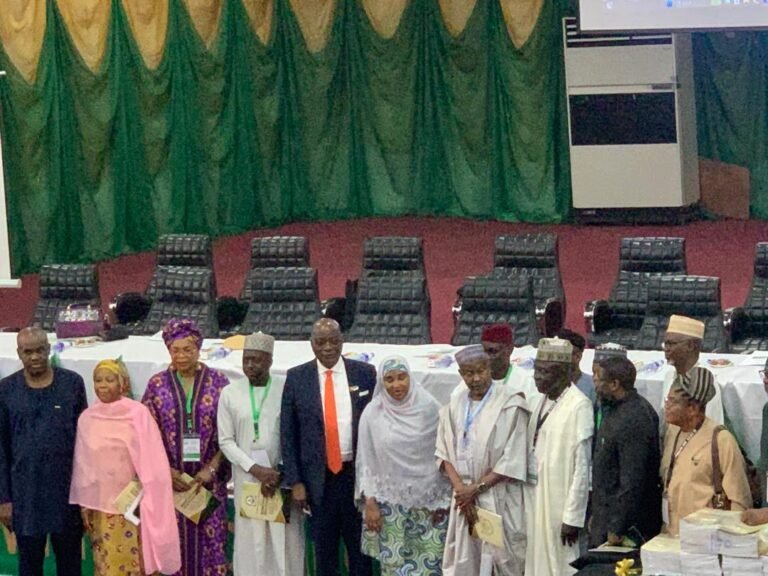
The Minister of Education, Dr Tunji Alausa, unveils the policies in Abuja on Monday, saying Nigeria must now deliver measurable outcomes rather than accumulate policy documents.
Under the new framework, only 20 per cent of resources go to policy formulation, while implementation dominates federal and state efforts.
“Policy is just 10 per cent of the work,” Alausa says. “Implementation is the heart of what we do. Commissioners will drive this process, while the Federal Government provides technical support.”
The first policy—a revised National Teachers’ Policy—aims to improve teacher quality, licensing and continuous professional development. Alausa confirms that teacher training programmes are being digitised, with an online development platform launching soon. He adds that all public-school teachers must be licensed by the Teachers Registration Council of Nigeria.
The second policy introduces Nigeria’s first national framework to tackle drug and substance abuse in schools, covering secondary and tertiary institutions. It combines counselling, behavioural support and strict sanctions for repeat offenders.
“We must protect our youth. Addiction destroys lives,” the minister says, adding that President Bola Tinubu remains committed to human capital development.
The third policy strengthens existing education frameworks where gaps previously existed, with backing from partners including UNESCO and UNICEF.
Speaking for state governments, Kwara State Commissioner for Education, Lawal Olorungbebe, pledges full implementation across the federation. “Policies are developed federally, but execution lies with the states,” he says.
About the Author




 Hope Ajayi